
A School Trip to Europe: What to Know Before You Go
Key Takeaways
- The best European school trips start with learning goals first, then destination choice, because curriculum fit usually creates stronger outcomes than chasing the cheapest route.
- Many schools underestimate how much staff time DIY planning requires, especially when handling transport, rooming lists, parental communication, payments, and risk assessments.
- Cheapest headline prices can be misleading, as meals, transfers, attraction entry fees, luggage, and support often change the real cost significantly.
- Safety on a school trip is rarely one big feature. It comes from dozens of smaller details such as vetted accommodation, realistic schedules, clear supervision, and reliable local partners.
- Organised tours often become the easier option not because schools cannot plan independently, but because experienced operators reduce stress, save time, and help get it right first time.
A School Trip to Europe: What to Know Before You Go
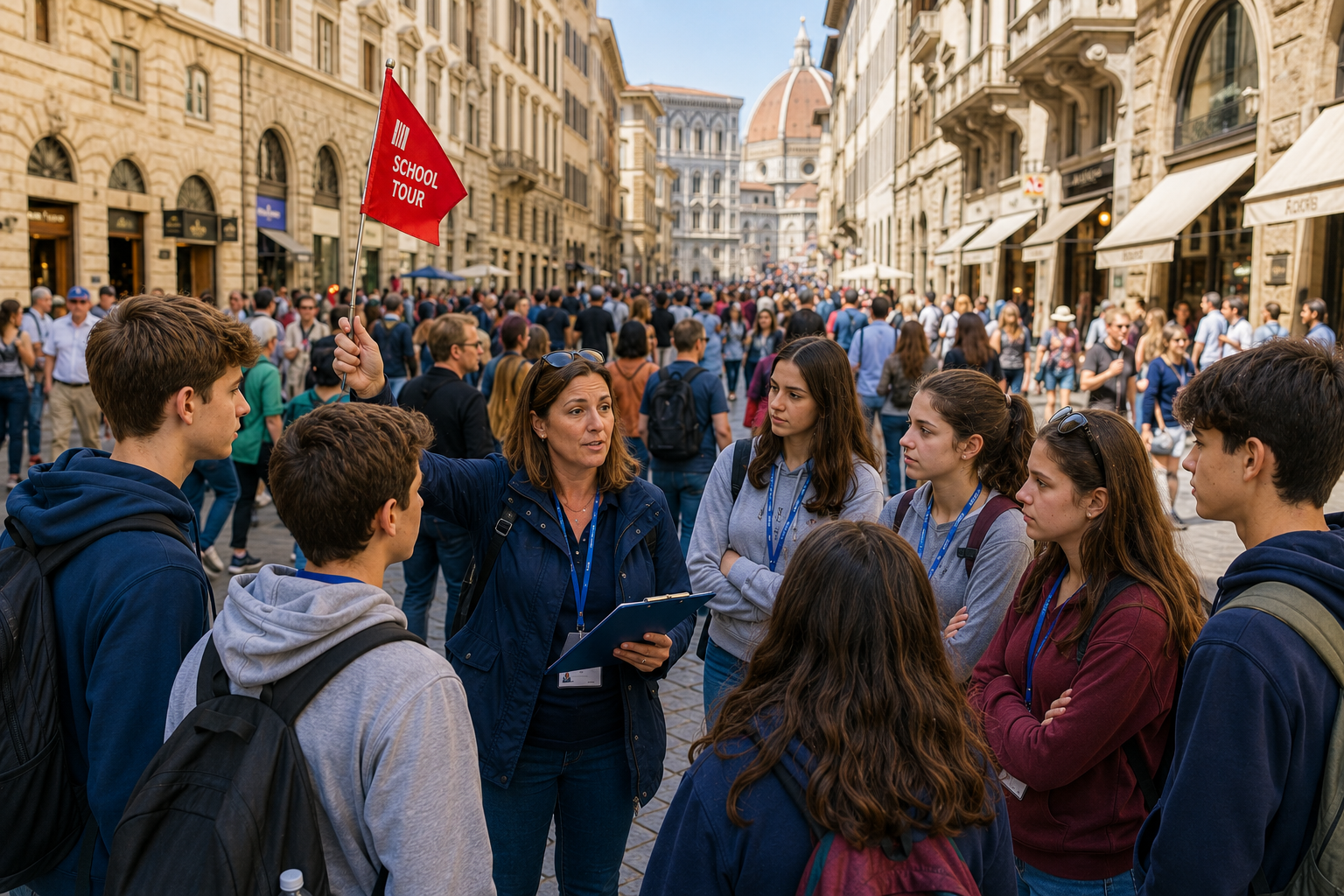
For many Irish schools, a European trip is one of the most valuable experiences students will have outside the classroom. It can sharpen language skills, bring history lessons into real streets and buildings, strengthen friendships, and give young people confidence that often lasts well beyond the journey home.
It can also become a complex project surprisingly quickly.
Flights need aligning with school calendars. Hotels must suit group needs. Transfers must run on time. Teachers need reassurance around supervision, safety, rooming, dietary requirements, and communication with parents. Then there is the question many schools quietly ask first: is it worth organising ourselves, or should someone experienced handle it properly?
That is where clear planning matters.
Why Are European School Trips So Popular?
A well-run school trip combines education with independence in a way classroom learning rarely can. Students remember walking Roman streets in Rome more vividly than reading about them. They retain language confidence after ordering lunch in Barcelona. They understand conflict history differently after visiting memorial sites in Berlin.
Popular destinations for Irish schools usually include:
- France for language immersion, history, art and Disneyland Paris
- Spain for culture, sport, architecture and language practice
- Italy for classical history, religion and art
- Germany for modern history, science and industry visits
The best trips are not built around ticking landmarks off a list. They are built around learning outcomes.
What Should Teachers Plan First for a European School Trip?
Before comparing hotels or pricing flights, schools should decide five fundamentals:
1. What Is the Educational Goal?
Is the trip for:
- French language practice
- History curriculum support
- Geography field learning
- Sports development
- Reward and bonding
- Performing arts exposure
Once that is clear, decisions become easier.
2. How Many Students and Staff Are Travelling?
Numbers affect:
- Coach sizes
- Airline availability
- Hotel room allocations
- Supervision ratios
- Group dining options
- Total price per student
3. What Time of Year Works Best?
Spring is often strongest for school groups because weather improves and academic calendars still allow room before exams. Christmas market tours can suit senior groups. Summer can be hotter, busier and more expensive.
4. What Is the Real Budget?
Schools often underestimate hidden DIY costs such as:
- Airport transfers
- Checked luggage
- Attraction queues with no group booking
- Teacher places
- Emergency changes
- Insurance extras
5. Who Is Managing the Admin?
This is where many schools realise planning internally sounds simple until payment schedules, passports, rooming lists, parental forms and last-minute changes begin.
How Much Does a European School Trip Usually Cost?
Costs vary by destination, season, trip length and transport type.
A short coach-and-ferry tour can be more budget-friendly than peak-season flights. A 4-night multi-city trip with attractions and guides naturally costs more than a one-centre cultural stay.
Schools should compare total delivered cost, not just headline price.
That means asking:
- Are meals included?
- Are airport transfers included?
- Are teacher places included?
- Are attraction entries included?
- Is there emergency support?
- Is the itinerary realistic?
Celtic Horizon Tours notes that every eight paying students includes one free teacher place, which can materially affect budgeting.
What Safety Questions Should Schools Ask?
This is usually the deciding factor for teachers and parents.
A European school trip should have:
- Vetted accommodation
- Reliable transport partners
- Clear emergency procedures
- 24-hour contact process
- Rooming controls
- Behaviour expectations
- Medical and dietary planning
- Risk assessment support
- Structured itineraries with sensible timings
Schools often discover that safety is not one big feature. It is dozens of small details handled correctly.
Is It Better to Organise a School Trip Yourself?
It depends on time, experience and appetite for risk.
A teacher-led DIY trip can work well when staff have deep travel experience, spare planning capacity, and confidence managing suppliers across countries.
But many schools find organised travel becomes the more practical route because it removes friction:
- One itinerary instead of six suppliers
- One support contact instead of multiple vendors
- Better group rates
- Experienced scheduling
- Documentation support
- Less teacher workload
That does not mean independent planning is wrong. It means schools should honestly value staff time as part of the cost.
Which Destinations Work Best for First-Time School Groups?
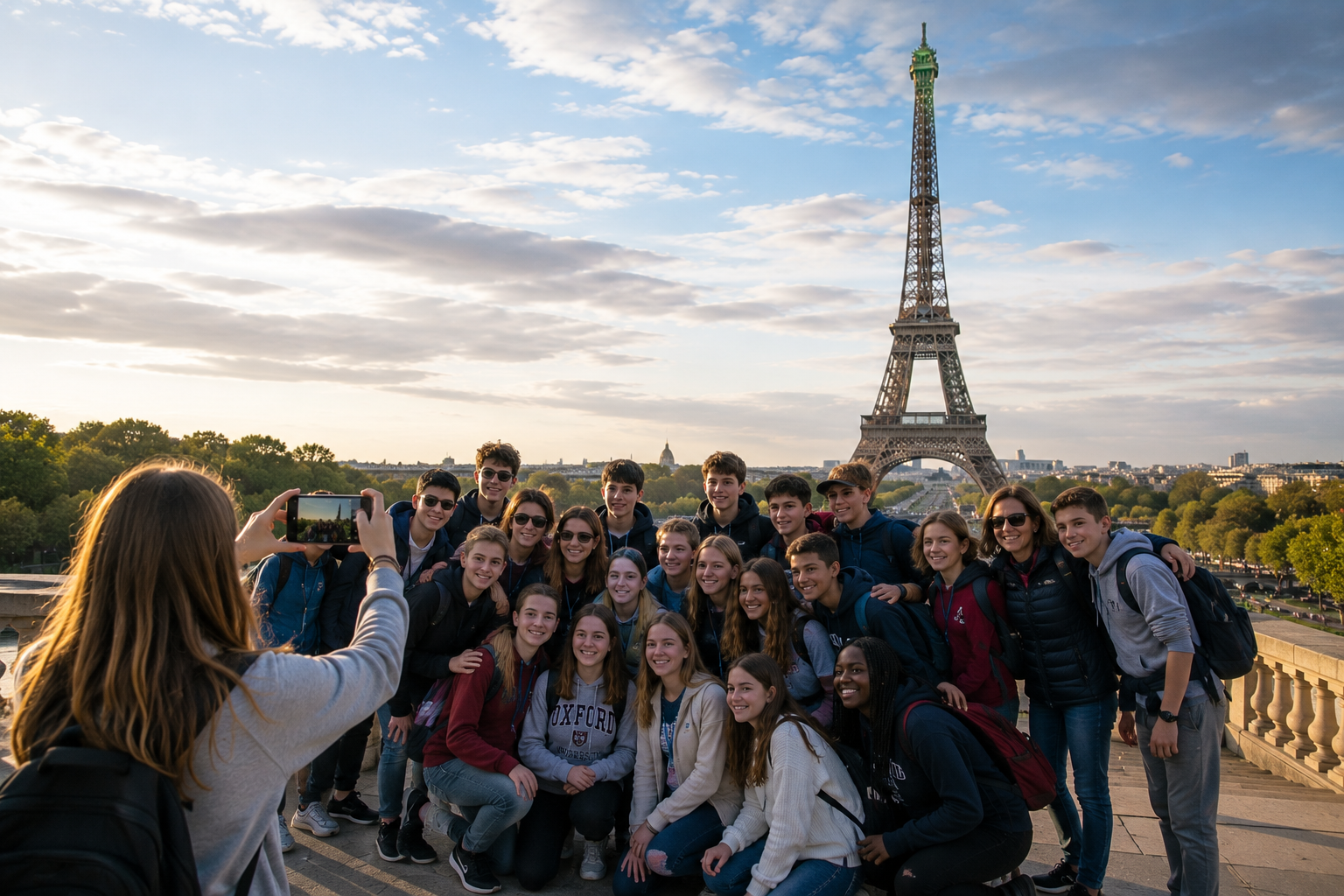
France for Simplicity and Variety: Paris remains popular because it offers culture, museums, landmarks and accessible transport links.
Spain for Language and Energy: Barcelona combines architecture, beaches, sports interest and strong student appeal.
Italy for History That Feels Real: Rome and Florence are strong for art, empire and religion-linked study.
Germany for Modern History and STEM: Berlin offers world-class historical learning. Munich suits culture and technical themes.
What Mistakes Do Schools Commonly Make?
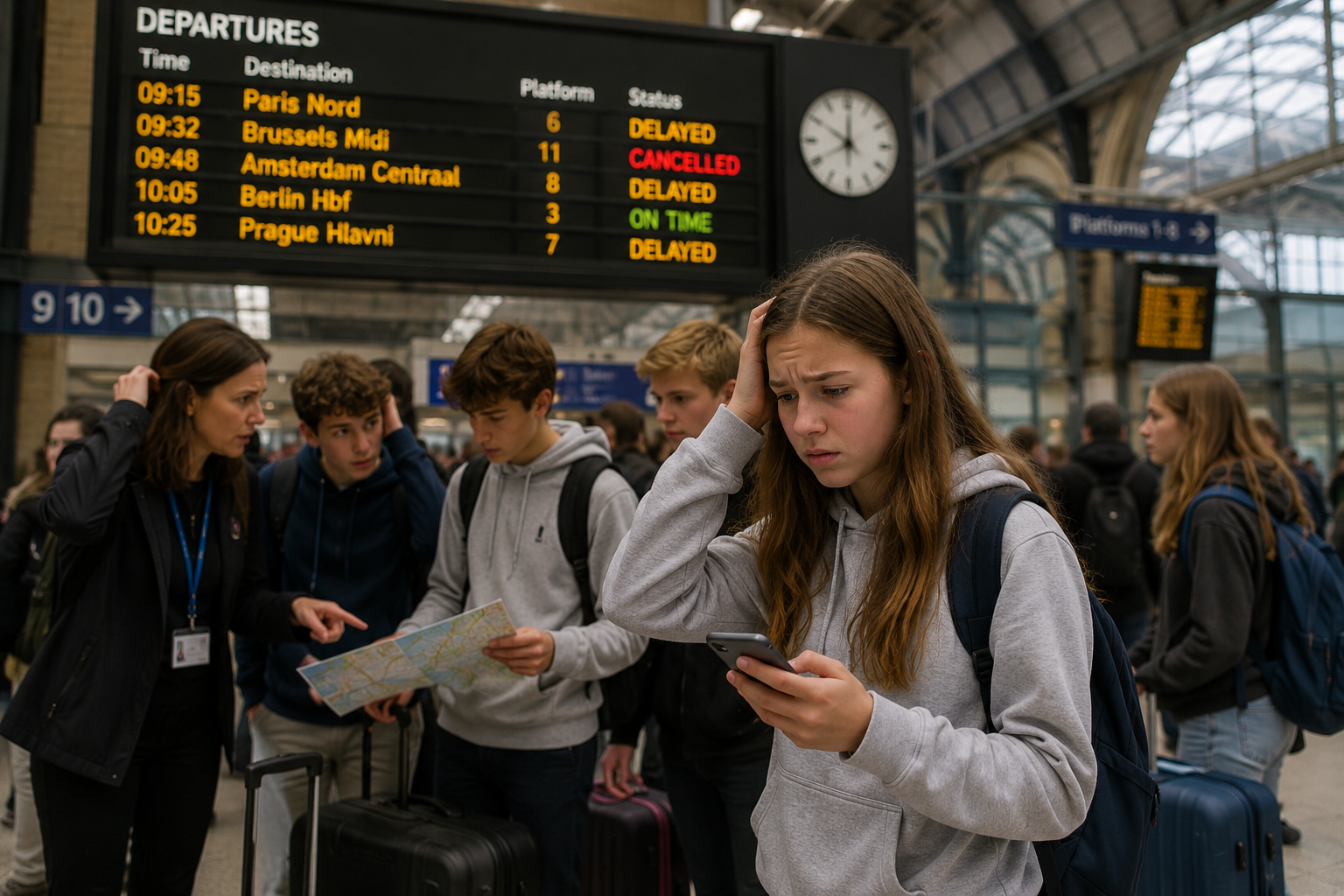
1. Booking Before the Itinerary Is Sensible: Cheap flights mean little if students are crossing cities exhausted.
2. Underestimating Walking Distances: Large groups move slower than families. Distances that look easy online can become tiring quickly.
3. Too Many Attractions in One Day: Students need breaks, meals and downtime.
4. Leaving Parent Communication Too Late: Early clarity reduces anxiety and repeated questions.
5. Treating Cheapest as Best Value: The lowest quote can become the most stressful trip.
Why Organised School Tours Often Make Sense
Schools rarely need “luxury”. They need certainty. They need a provider who understands that if one transfer fails, forty students and four teachers feel it immediately. They need schedules that respect real travel times.
They need accommodation suited to groups. They need support when something changes. That is why many schools reach the same conclusion after comparing options: planning independently is possible, but experienced operators often make the whole process calmer.
Planning a European School Tour from Ireland?
If your school is considering a trip to France, Spain, Italy or Germany, Celtic Horizon Tours can build a tailored itinerary around curriculum goals, budget and group size, while handling the complex logistics that consume staff time.
The result is usually simple: teachers focus on students, and students focus on the experience.