New EU Border Rules (EES): What Every Irish Teacher Needs to Know Before Travelling
Key Takeaways
- EES mainly affects non-EU passport holders in your group, but teachers must identify this early.
- One unprepared student at passport control can delay the whole coach or flight arrival process.
- First rollout weeks may mean longer queues at busy airports, ports, and coach crossings.
- Schools need passport checks earlier than before, especially for mixed-nationality groups.
- Organised operators often reduce stress because traveller data, timings, and logistics are managed in advance.
What Is the New EU Border Rules System (EES)?
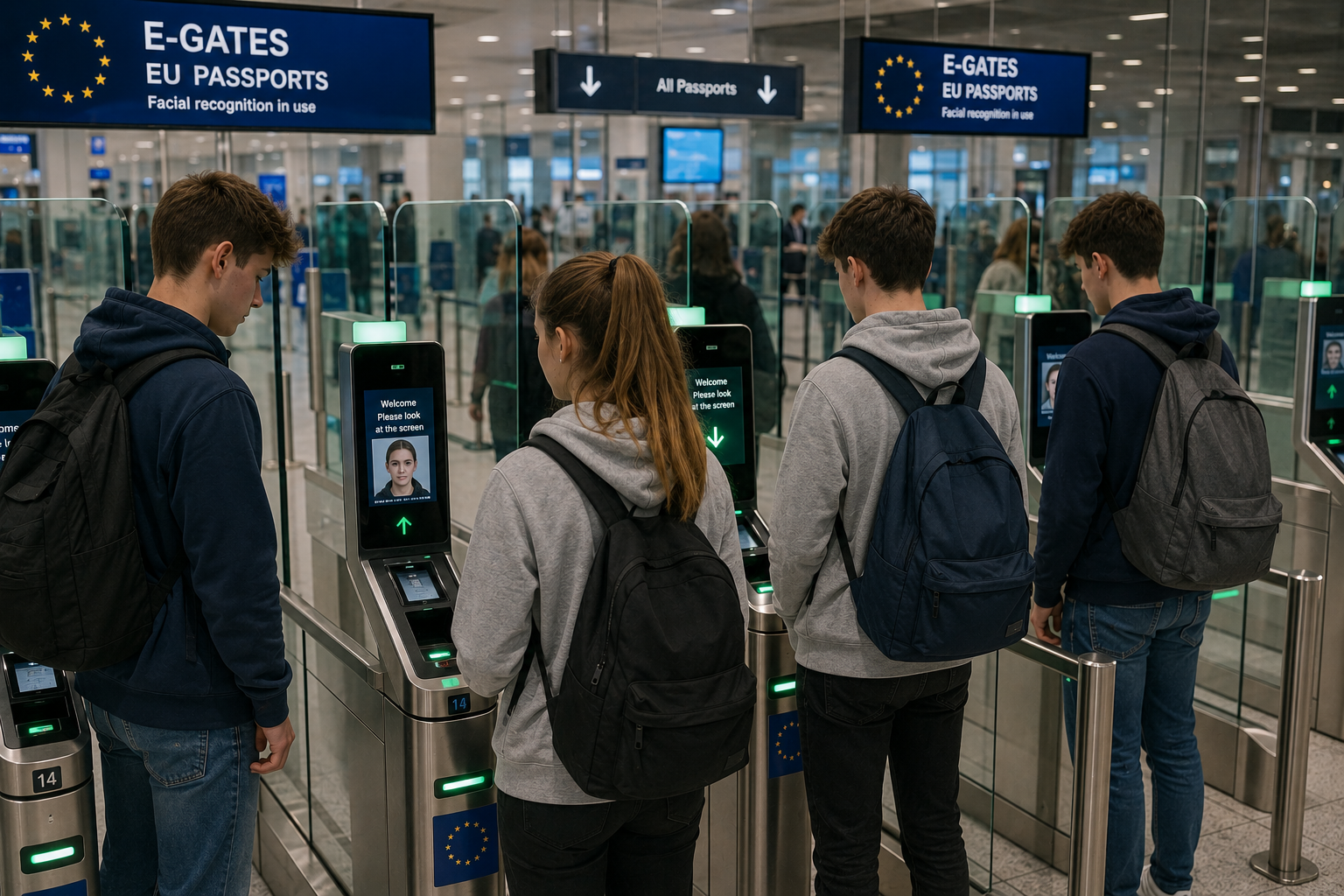
The Entry/Exit System, usually shortened to EES, is a new border management system being introduced by the European Union for travellers entering the Schengen Area from outside the EU.
It is designed to digitally record entries and exits for non-EU nationals who travel for short stays. Instead of relying only on passport stamps, border authorities will increasingly use electronic records, biometric checks, and automated systems.
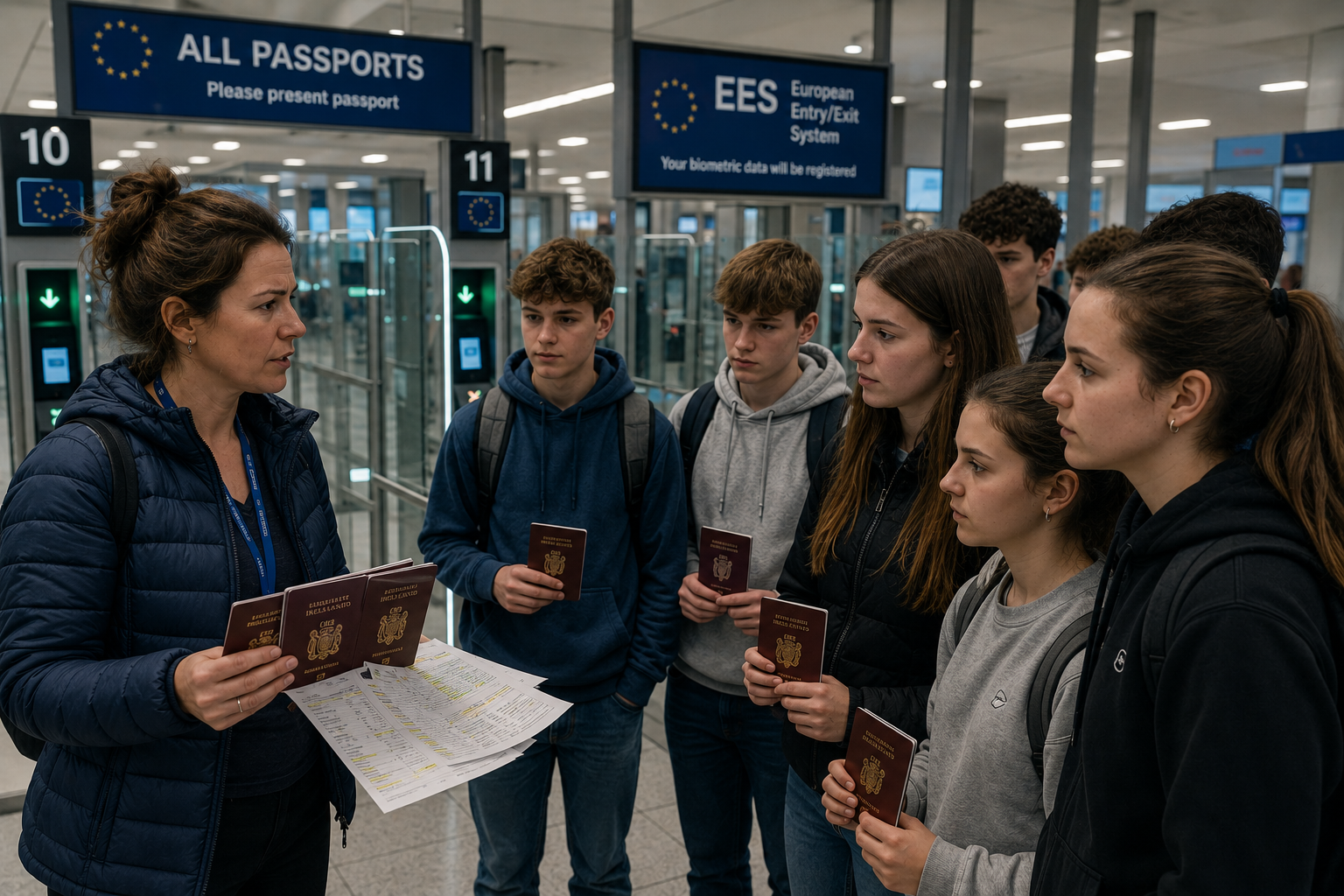
For Irish teachers planning school tours, the most important point is simple: Irish passport holders are not the main target group, but some students, staff, or accompanying adults in your group may be.
That means many school groups from Ireland will not be equally affected. Some pupils may pass through normally, while others may need extra processing.
Which Irish School Trips Could Be Affected by EES?
Does EES affect school tours to France, Spain, Italy or Germany?
Yes, potentially. Countries such as France, Spain, Italy and Germany are within the Schengen Area, so EES is relevant at their external borders.
For a typical Irish school group travelling direct from Ireland, many students may hold Irish or EU passports and move through more routinely. However, any student travelling on a non-EU passport could be subject to EES checks.
This is where planning becomes more complex than many teachers expect.
Why Teachers Need to Check Passports Earlier Than Before
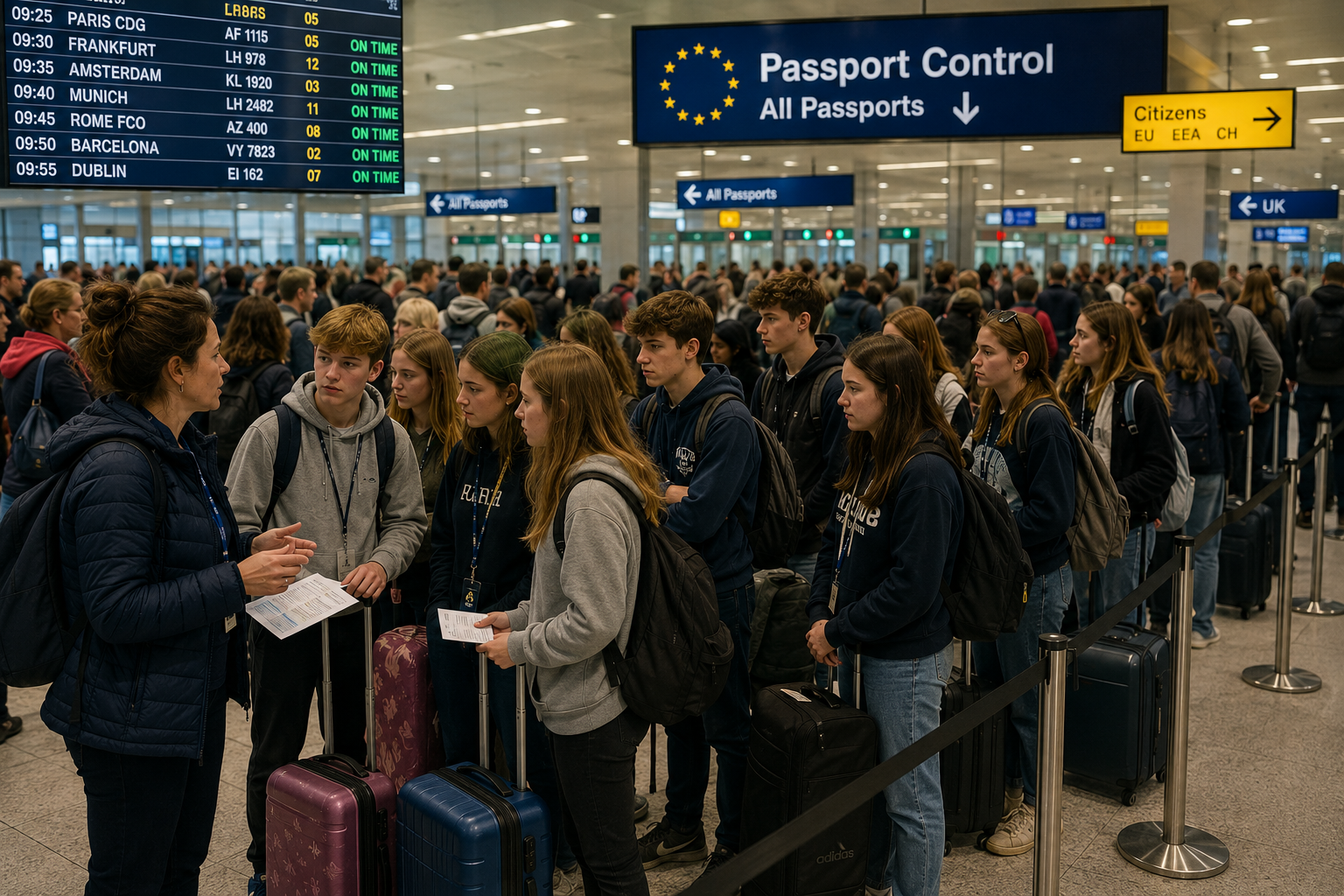
Schools often focus first on dates, deposits, itinerary choices, and rooming lists. Passports sometimes get checked later in the process.
That approach now carries more risk.
What should teachers confirm first?
Before deposits are finalised, schools should know:
- How many students hold Irish passports
- How many hold other EU passports
- How many hold non-EU passports
- Passport expiry dates
- Names exactly matching passports
- Any visa requirements separate from EES
One missing document can create pressure at the airport. One incorrect nationality assumption can create delays at border control.
This is one reason many schools prefer a managed operator such as Celtic Horizon Tours, where documentation timelines and group readiness are built into the planning process.
Will EES Cause Delays at Airports or Coach Borders?
What to expect in the early rollout phase
Whenever a new border system launches, there can be bedding-in delays. Staff training, passenger unfamiliarity, and extra checks often slow things down at first.
Busy gateways such as Dublin Airport departures, Charles de Gaulle Airport arrivals, or major coach crossings can feel slower during peak school travel periods.
For teachers, this means:
- Build more buffer time into travel days
- Avoid overpacked arrival itineraries
- Keep first-day activities flexible
- Brief students clearly before landing or arrival
If your first activity depends on minute-perfect timing, the risk sits with you.
If your trip has realistic timings and contingency planning, the day feels much calmer.
How Does EES Affect Mixed-Nationality Student Groups?
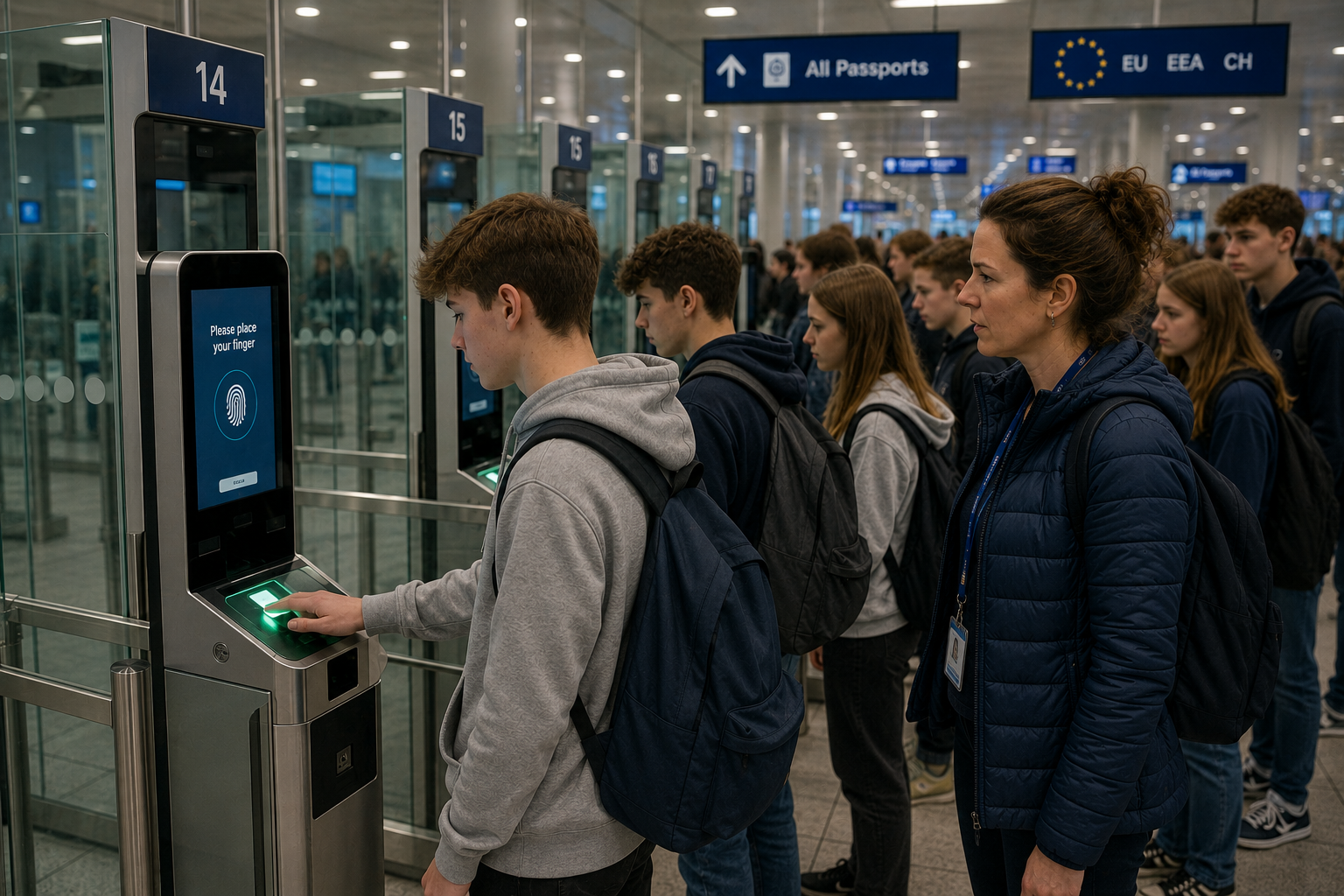
This is one of the most overlooked issues in Irish schools.
Many schools now have wonderfully diverse student bodies. That can mean a travelling group includes Irish, EU, UK, and non-EU passport holders.
At the border, these categories may not move identically.
Why this matters for teachers
Even if most of the group clears quickly, staff often need to wait until everyone is processed. That can affect:
- Coach pickup times
- Meal bookings
- Museum slots
- Teacher supervision planning
- Student stress levels after travel
Good operators account for this reality rather than assuming every traveller moves at the same pace.
What Should Teachers Do Before a European School Trip?
Practical EES preparation checklist
1. Audit passports early
Ideally months before travel, not weeks.
2. Identify non-EU passport holders discreetly
This helps with correct planning and avoids last-minute surprises.
3. Check destination rules again near departure
Implementation details can change.
4. Build extra time into border crossings
Especially for large groups.
5. Use a structured itinerary
Travel days need breathing room.
6. Keep parent communication clear
Parents appreciate knowing checks may take longer than before.
Why Organised School Tours Often Make More Sense Under New Rules
Teachers already manage behaviour, safeguarding, educational outcomes, parent expectations, and school approvals.
Adding evolving border procedures to that list is rarely the best use of your time.
With a specialist operator like Celtic Horizon Tours, schools typically gain:
- Clear document deadlines
- Realistic schedules
- Group travel experience
- Support if timings change
- Practical advice for mixed-passport groups
- Less pressure on teaching staff
That does not mean independent planning is impossible. It means the margin for error is smaller than before.
If you want the trip right first time, supported planning usually pays for itself in reduced stress.
Popular European School Destinations Still Worth Booking
The new rules do not remove the value of travel.
Students still gain hugely from visits to:
- Paris for art, language, history, and culture
- Barcelona for architecture and Spanish immersion
- Rome for classical history
- Berlin for politics and modern history
The difference now is that smoother administration matters more.
Great Trips Still Happen, But Better Planning Wins
European school travel remains one of the best investments a school can make in student learning and confidence. The opportunity has not changed.
What has changed is the importance of administration, passport readiness, and realistic travel logistics.
If your school wants a European trip without carrying every moving part alone, Celtic Horizon Tours can help design a smoother, safer journey from the first enquiry to the return home.