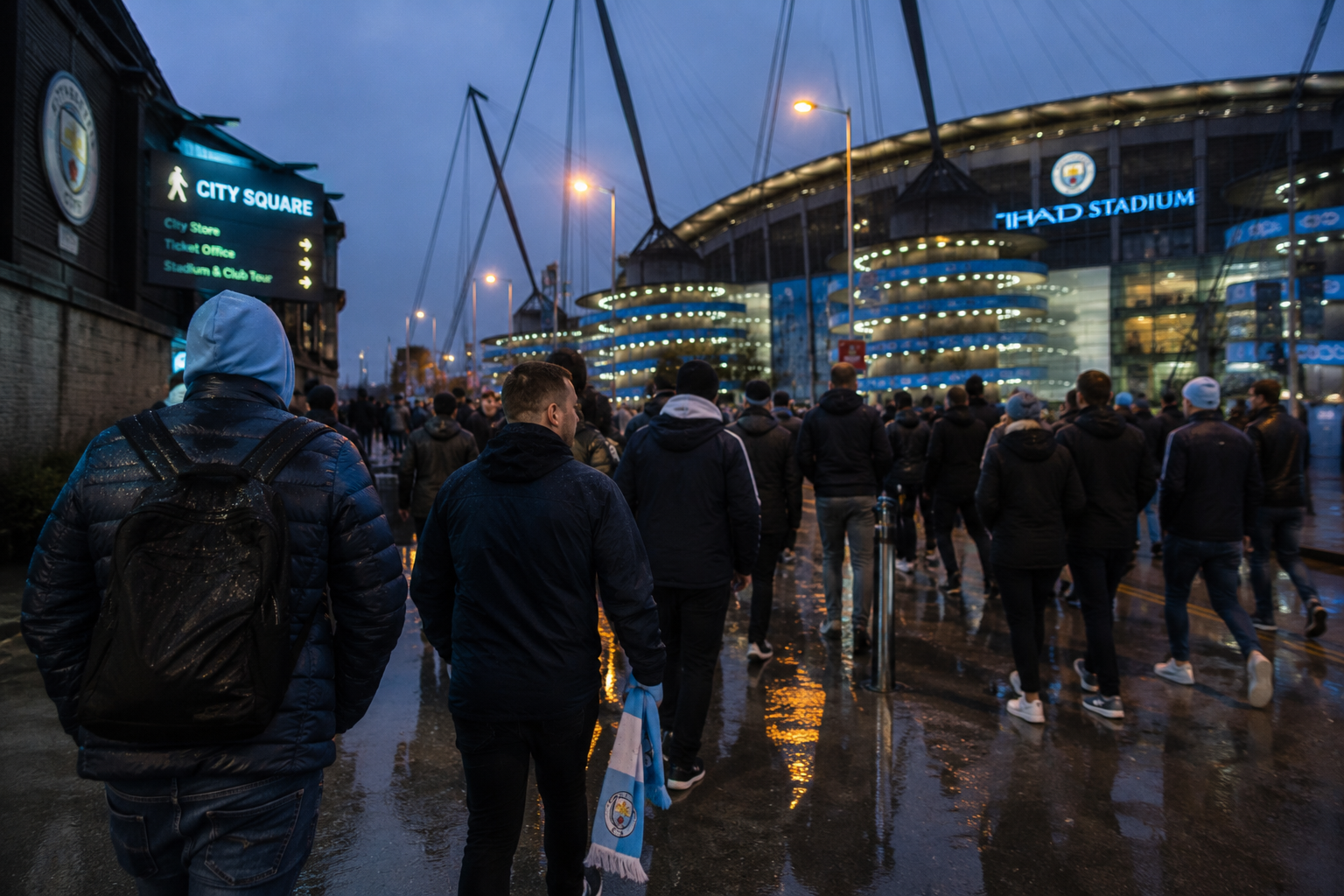
Avoid the Post-Match Crush: The Best Manchester Hotels with Easy Etihad Access
Key Takeaways
- The cheapest hotel can become the most expensive choice once queues, taxis, delays, and missed timing start eating into matchday.
- City centre stays offer atmosphere and easy transport, but they also place you inside the busiest pre-match travel surge.
- Airport hotels suit short Irish trips because they simplify arrivals, departures, and fixed schedules around flights and kick-off times.
- Staying nearest the stadium sounds logical, yet limited dining, fewer late options, and pricing often weaken the overall trip.
- Well-planned packages remove separate booking risks by aligning tickets, transport, and accommodation before small mistakes become costly problems.
Most first-time visitors assume hotel choice is about comfort, price, or proximity to nightlife. For a football trip, especially to the Etihad Stadium, the decision carries more weight than that.
Your hotel location shapes how early you leave, how crowded your route becomes, and how much margin for error you have if something goes wrong.
Fans who stay in the wrong area rarely miss the match entirely. What they do experience is stress. Delays at tram stops, confusion at interchanges, and rushed arrivals just as the stadium fills.
The difference between a smooth matchday and a frantic one usually starts the night before, when you decide where to stay.
Most first-time visitors underestimate how structured and time-sensitive the day becomes. If you have not experienced it before, it is worth understanding what a full Manchester City matchday actually feels like from arrival to kick-off, before deciding where to stay.
Where to stay for Etihad Stadium match: city centre vs airport vs nearby
City centre hotels
Staying near Manchester Piccadilly Station is the most common choice.
You are close to restaurants, transport links, and the main flow of matchday travel. The Metrolink tram runs directly to the Etihad Campus, typically taking around 15 to 20 minutes.
This works well if you are comfortable navigating crowds. Trams become extremely busy about 90 minutes before kick-off, and queues are part of the experience.
For many fans, this feels like part of the build-up. For others, it introduces unnecessary pressure.
Airport hotels
The area around Manchester Airport offers a different type of convenience.
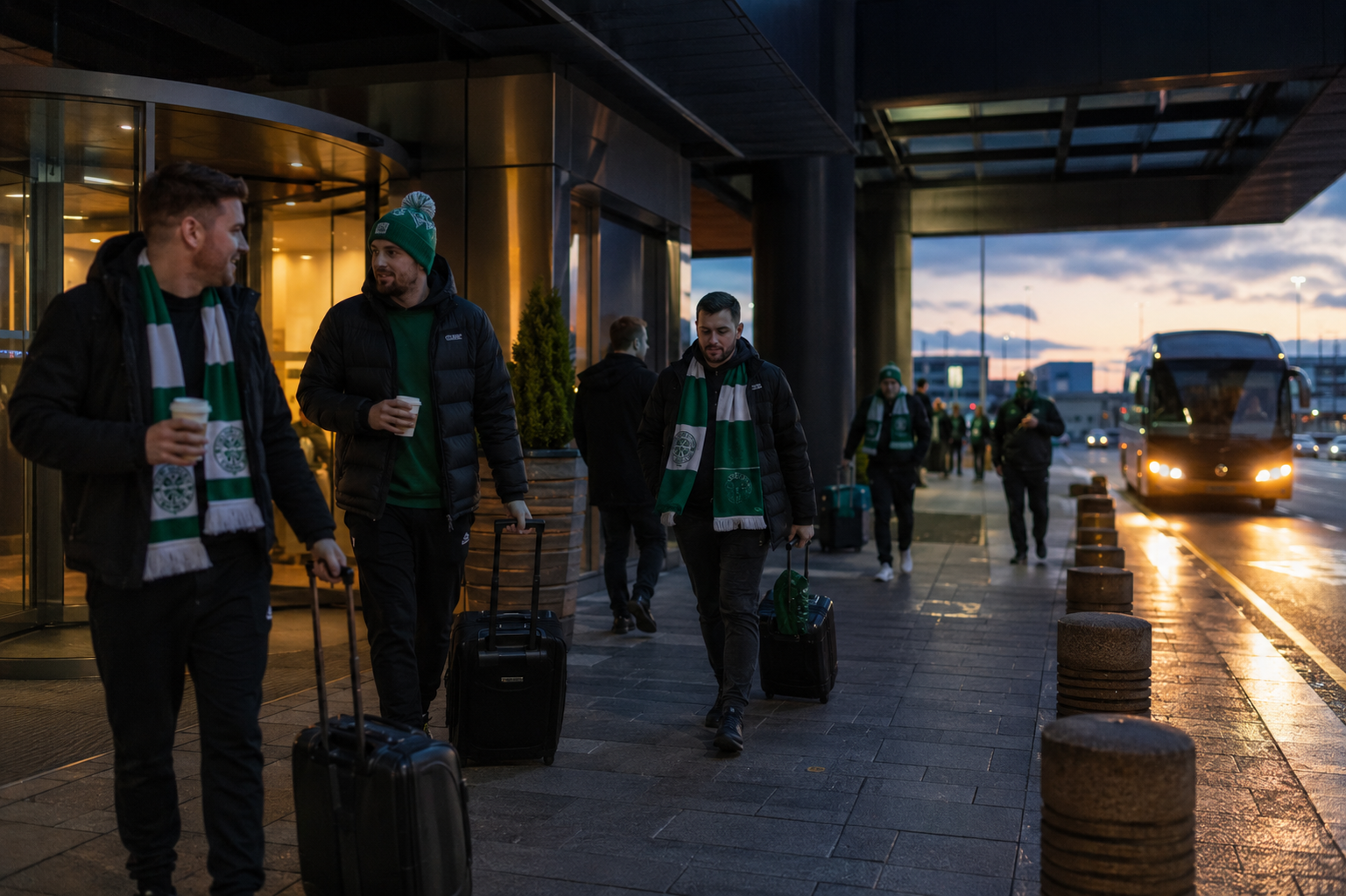
Hotels like Clayton Hotel Manchester Airport are not close to the stadium, but they simplify the wider trip. You have direct access to rail connections into the city via Manchester Piccadilly, followed by a tram to the Etihad.
The route is straightforward:
Airport station → train to Piccadilly → Metrolink to Etihad Campus
What matters here is predictability. Trains are frequent, signage is clear, and you avoid the heaviest pre-match congestion until the final leg.
For Irish travellers flying in and out quickly, this location often reduces friction across the entire trip, not just matchday.
Hotels near the stadium
There are fewer accommodation options within walking distance of the Etihad.
This looks ideal. But, availability is limited, and prices reflect demand. The surrounding area is not designed as a tourist base, which means fewer dining and transport options after the match.
Walking routes can also feel longer than expected, especially in poor weather.
This option suits repeat visitors who prioritise proximity over flexibility. For most first-time travellers, it creates more limitations than advantages.
How do you get to Etihad Stadium from different areas?
From Manchester city centre
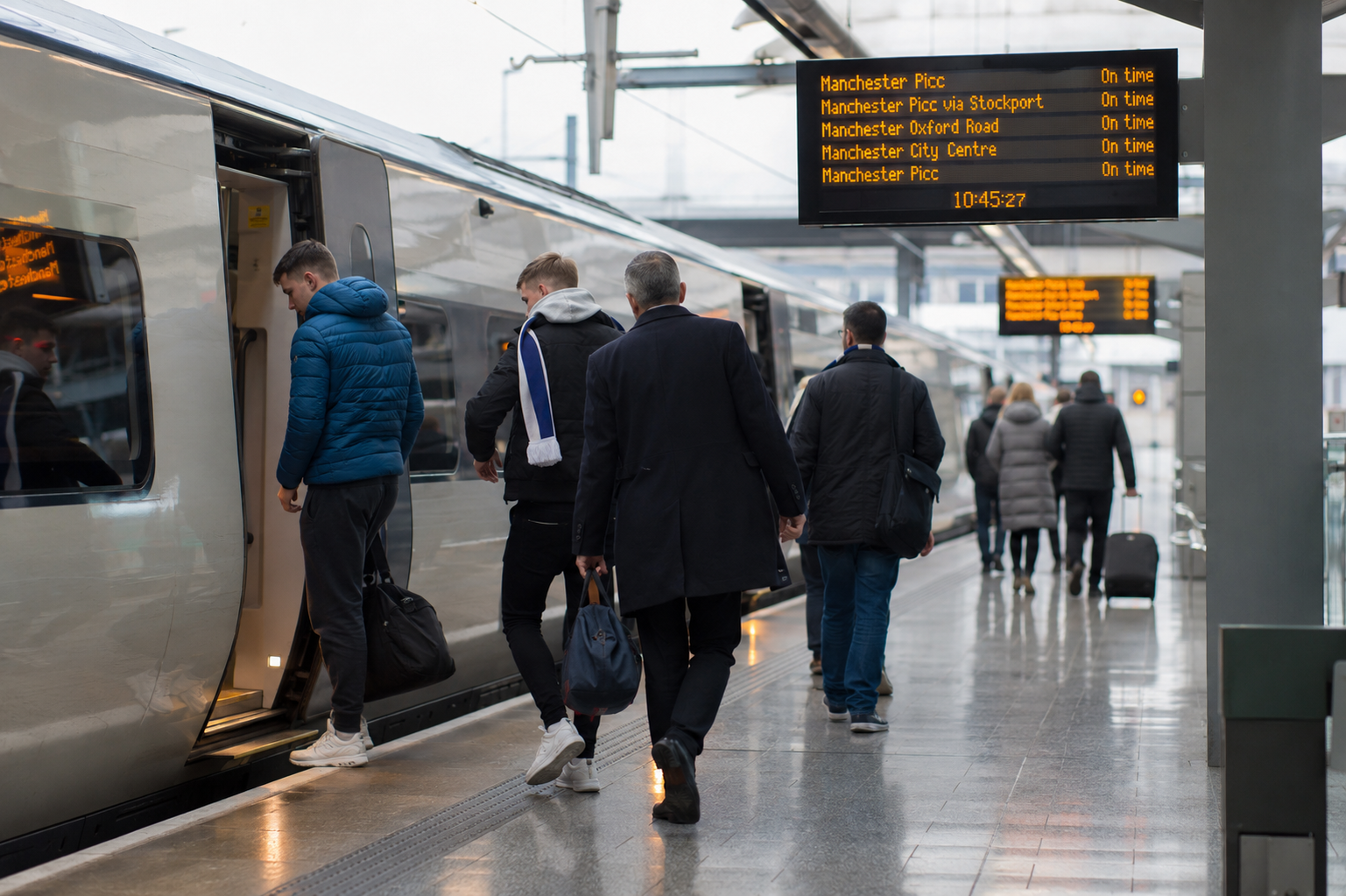
The Metrolink tram from Piccadilly Gardens or Piccadilly Station is the standard route.
Journey time is short, but queues build quickly. Leaving too late means standing in long lines or waiting for multiple trams.
Arriving 60 to 90 minutes before kick-off gives you breathing space.
From Manchester airport hotels
Trains from the airport to Piccadilly run regularly and take roughly 15 minutes.
From there, you join the same tram route as city centre travellers. The difference is timing. You control when you enter the busiest part of the journey.
This layered route often feels calmer, particularly for early arrivals.
Walking and taxis
Walking from central Manchester to the stadium takes around 45 minutes. It is possible, but not common for first-time visitors.
Taxis operate on matchday, but traffic restrictions around the stadium increase journey times significantly. Drop-off points are not always close to the entrances.
Hotel near Etihad Stadium vs city centre: what most fans get wrong
The assumption is simple. Closer means easier.
That logic works in smaller cities. Manchester operates differently on matchday.
Fans staying in the city centre often move in large, predictable waves. Transport is designed around that pattern.
Fans staying very close to the stadium can find themselves with fewer options if plans change. Limited late transport, fewer open venues, and less flexibility if you arrive earlier than expected.
Distance is not the only factor. Structure and reliability matter more.
Manchester matchday travel tips for Irish fans
If you are travelling from Ireland, your hotel decision connects directly to your wider itinerary.
Short trips, often one night, leave little room for delays. Early flights, tight check-ins, and fixed kick-off times mean each part of the journey needs to work without friction.
Airport hotels reduce moving parts. City centre hotels increase atmosphere but also complexity.
Neither option is wrong. The key is knowing which trade-off suits your trip.
Why Manchester City match packages from Ireland often include airport hotels
Packages that combine tickets and accommodation are designed around reliability.
For example, staying at Clayton Hotel Manchester Airport gives you:
- A fixed, known route to the stadium
- Clear transport connections via Piccadilly
- Less exposure to peak congestion before the match
It is not about being closest to the stadium. It is about reducing the number of decisions you need to make on the day.
When tickets are secured and accommodation is aligned with transport, the margin for error becomes much smaller.
What to expect on matchday based on where you stay
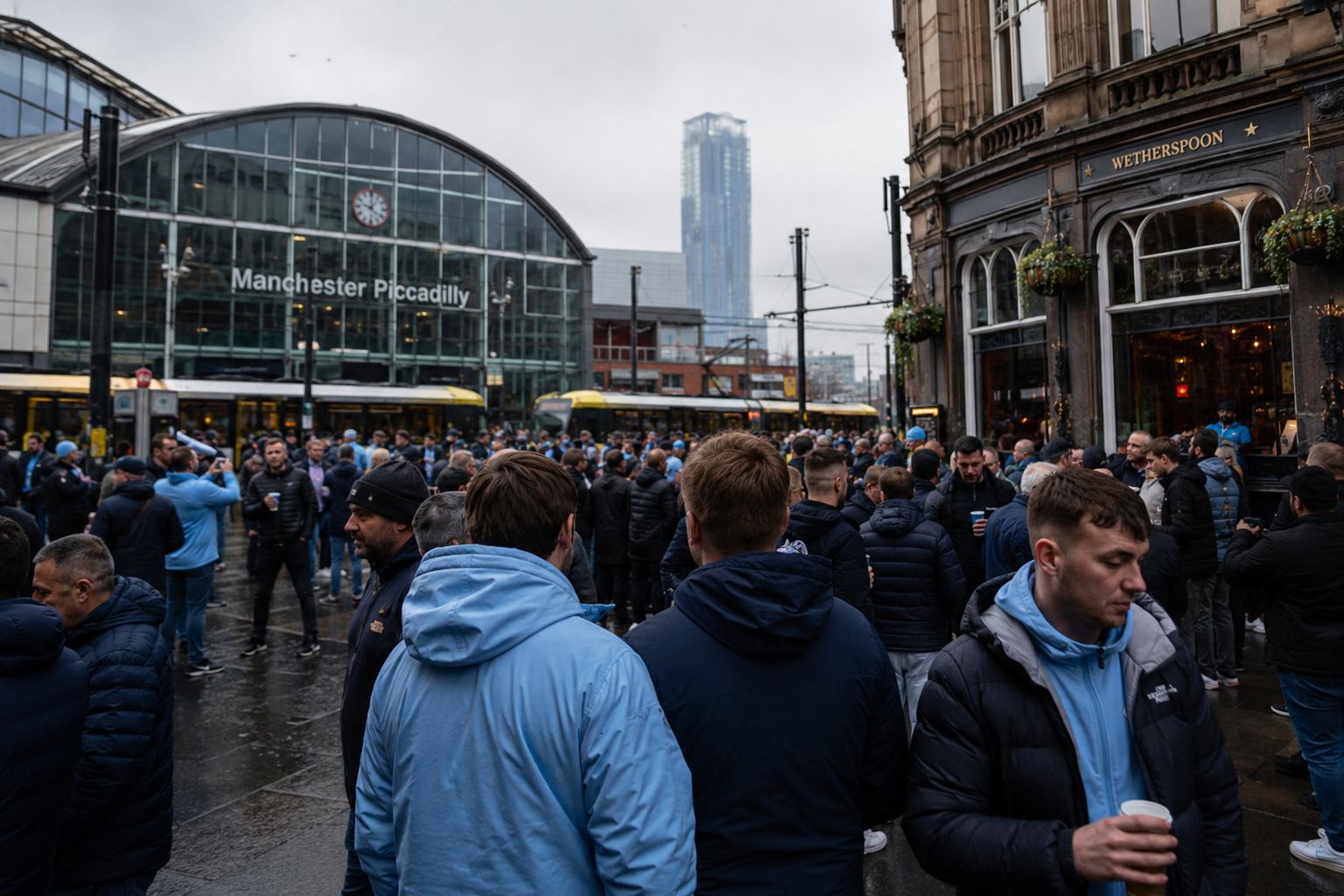
Your experience changes in subtle ways depending on location.
City centre stays feel busy from early afternoon. You move with crowds, follow familiar routes, and absorb the atmosphere as it builds.
Airport stays feel quieter at first. The matchday experience begins later, as you move into the city and join the flow closer to kick-off.
Stadium-adjacent stays feel compressed. Everything happens in a smaller window, with less separation between travel, arrival, and entry.
None of these are better in isolation. They suit different types of travellers.
For many fans, the match itself is only part of the day. The build-up often begins in pubs and around transport hubs several hours before kick-off, and knowing where to go can shape the experience just as much as where you sit in the stadium as explained in where fans go before the match in Liverpool.
Planning your Manchester matchday with fewer variables
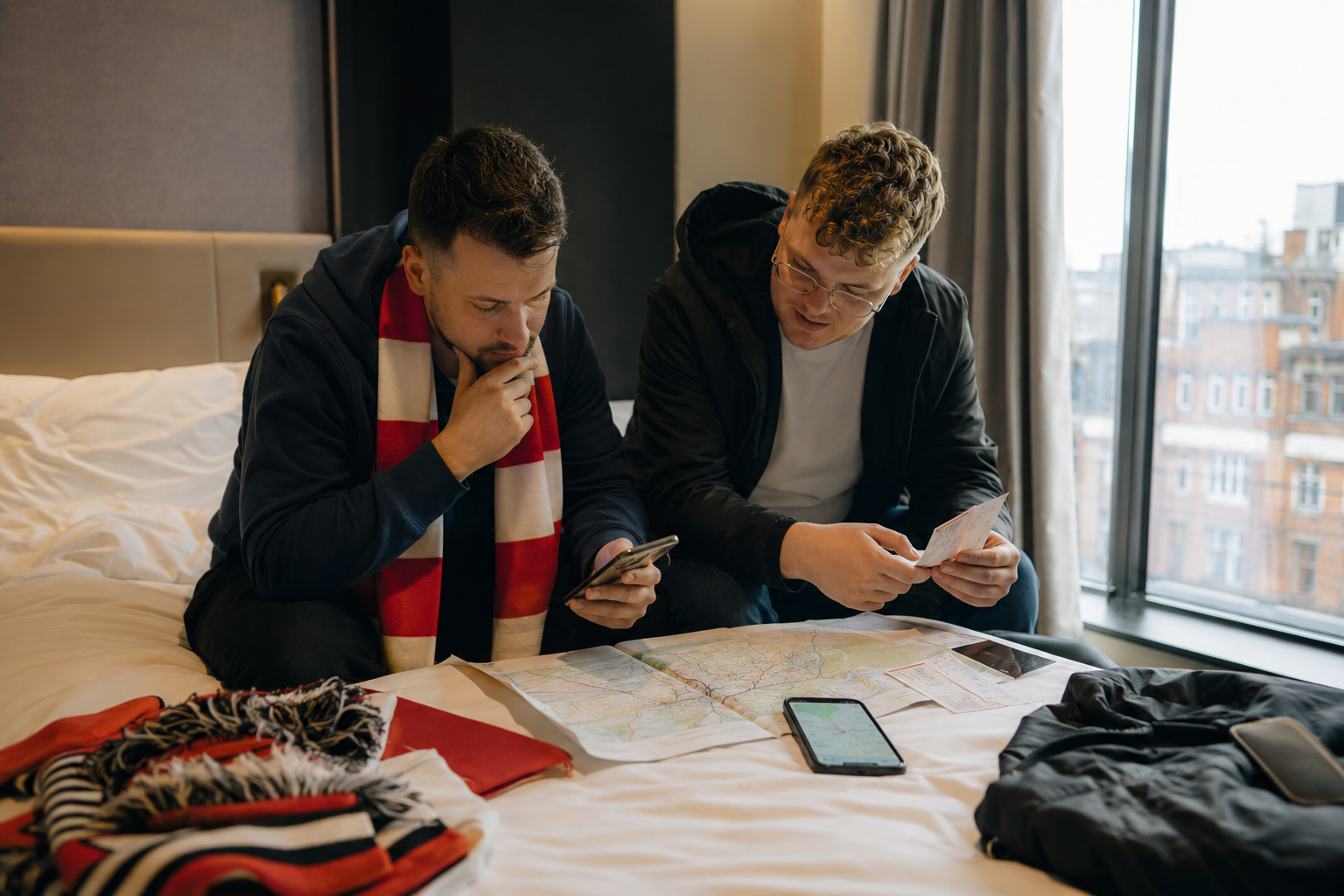
When fans plan trips independently, hotel location is often decided before transport is fully understood.
That sequence creates problems. A well-priced hotel can turn into a complicated journey on matchday.
When travel, accommodation, and tickets are organised separately, small gaps can appear in the plan. These are the same types of gaps that lead to situations like fans being denied entry at Old Trafford due to avoidable issues, even when everything seemed in place beforehand.
Packages reverse that process. Travel routes, timing, and accommodation are aligned from the start.
You can organise everything yourself and make it work. Many fans do.
What tends to change the experience is how well the pieces fit together. When tickets, accommodation, and transport follow the same plan, the trip feels easier from the moment you arrive.
For anyone travelling from Ireland for a major Manchester fixture, that simplicity often makes the difference between a good trip and a smooth one.