Beyond the Classroom: What Students Actually Gain from School Tours
Key Takeaways
- A school tour needs a clear learning purpose; an impressive destination alone does not establish educational value.
- Students gain more when they have responsibilities before, during and after the trip, rather than simply following an itinerary.
- Compare the full cost per student, including meals, transfers and activities, before deciding whether a tour offers good value.
- Build accessible activities and realistic breaks into the plan early, so more students can participate meaningfully.
- A short reflection after the trip helps teachers identify what students learnt beyond what they enjoyed.
A photograph shows where a class went. It says much less about what pupils noticed, discussed, practised or brought back to school. Those are better questions for a teacher weighing a tour against its cost and the work involved in organising it.
The benefits of school tours depend on what students are asked to do. A museum visit can deepen a history topic if pupils examine evidence and challenge an interpretation. A sports trip can give players a chance to practise communication and responsibility in an unfamiliar setting. Neither outcome follows automatically from leaving the classroom.
Why the educational value of school tours needs a purpose
Start with a question the class cannot answer as well from a desk: How does a historic site present conflicting accounts? What does a workplace reveal about a possible career? How does a team respond when its usual routines change? Once the purpose is clear, teachers can choose visits, activities and preparation that support it. A geography or environmental group, for instance, could read our blog on wildlife in the Scottish Highlands to identify observation opportunities connected with habitats, landscapes and conservation.
This approach fits Irish curriculum guidance. The Transition Year Programme Statement describes learning across personal growth, being a learner, civic and community engagement, and career exploration. It also supports collaborative learning inside and outside the classroom. A tour can contribute to those areas, although the activity and the students’ engagement determine what is learnt.
A useful test is whether the teacher can finish this sentence before booking: “By the end of the trip, students should be better able to…” If the answer names only places visited, the itinerary may need more thought.
What do students learn on a school tour?
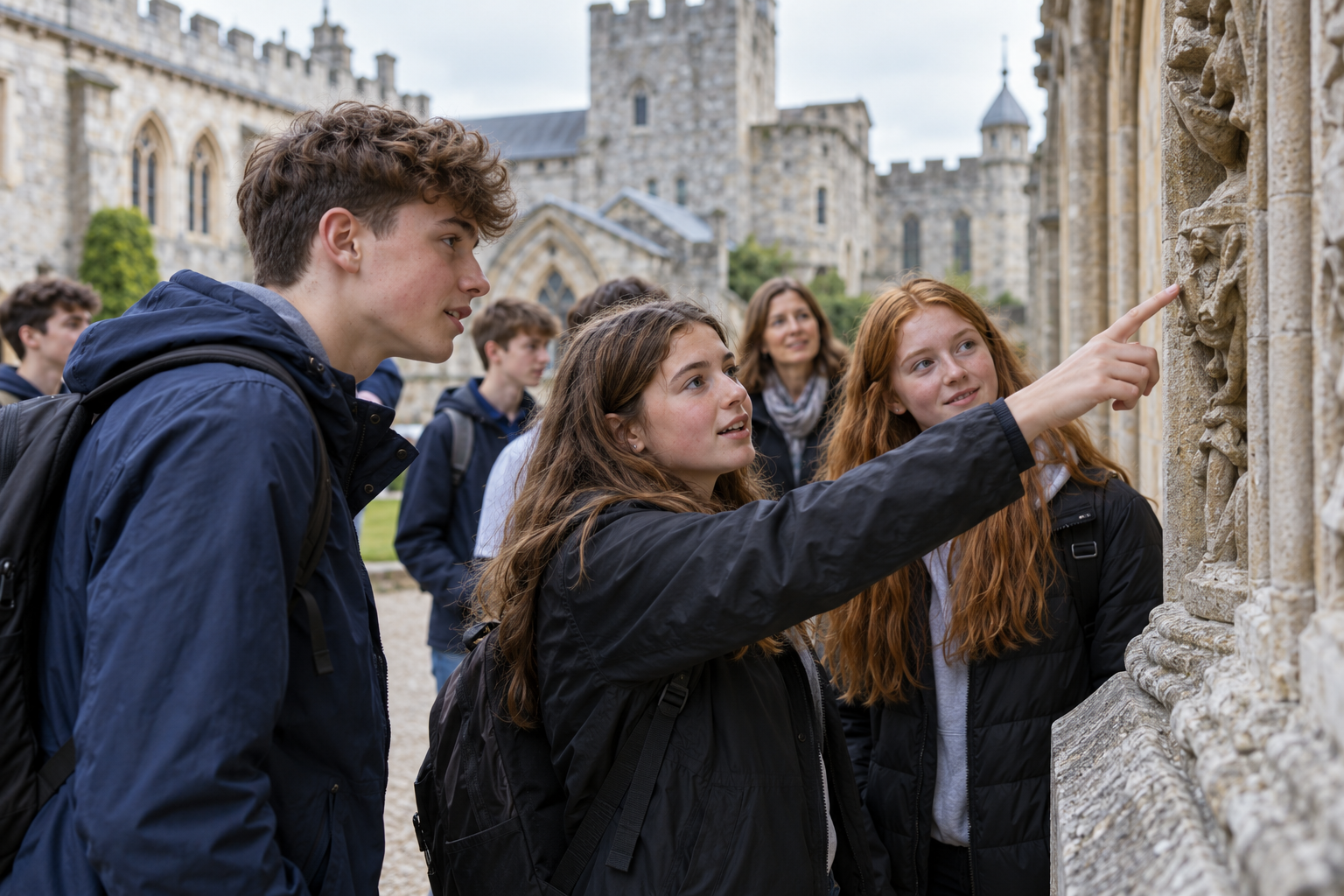
Students can put classroom knowledge to work where the subject has context. At a heritage site, they might compare what a guide says with evidence they studied beforehand. For example, our blog on the castles of the Scottish Highlands shows how historic sites can provide context for studying conflict, power and local identity. On a language trip, they may need to listen, ask a question and respond to an answer they did not expect. The point is to give them a task that requires attention, rather than assuming proximity to a place produces understanding.
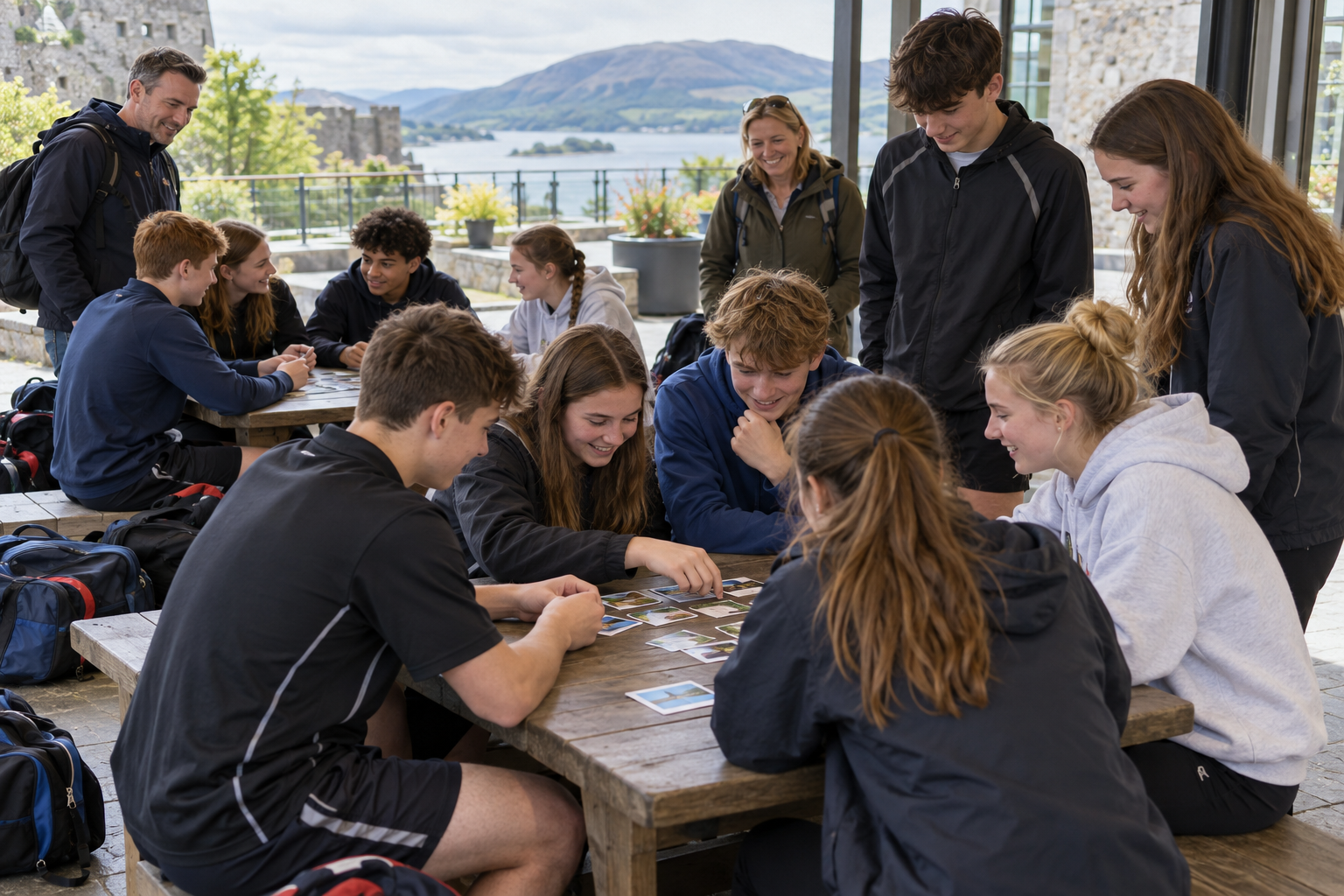
There is also learning in the ordinary parts of a day away: arriving at a meeting point, keeping track of belongings, respecting a group schedule and asking for help when something is unclear. These are opportunities to practise independence within a supervised trip, not reasons to leave students to manage difficulties alone.
Teachers can make the learning visible without turning the tour into a long assignment. Ask pupils to record one observation that challenged an assumption, one question they still have and one decision their group handled well. Their answers give the class something specific to discuss afterwards.
Independence and teamwork need room in the itinerary
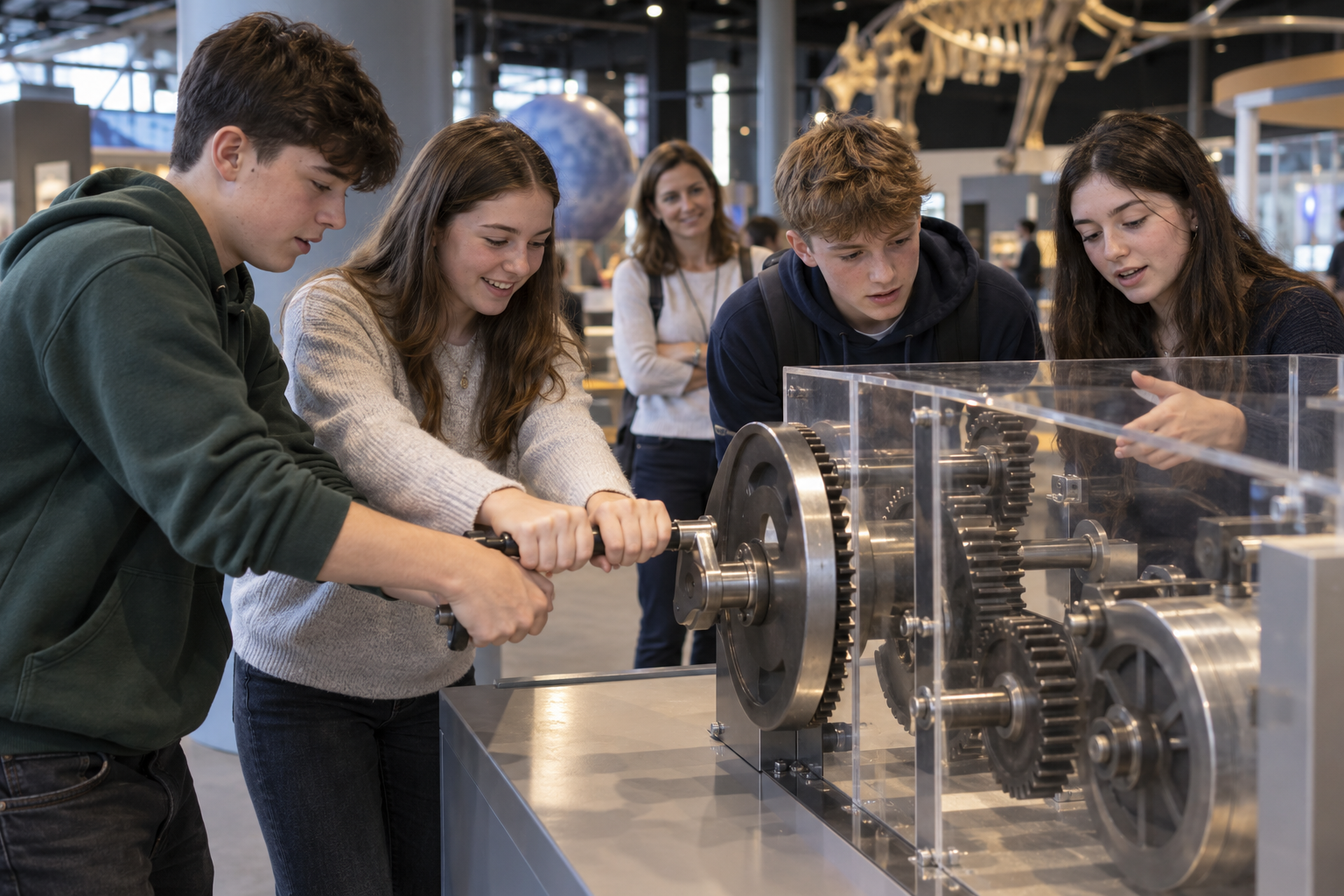
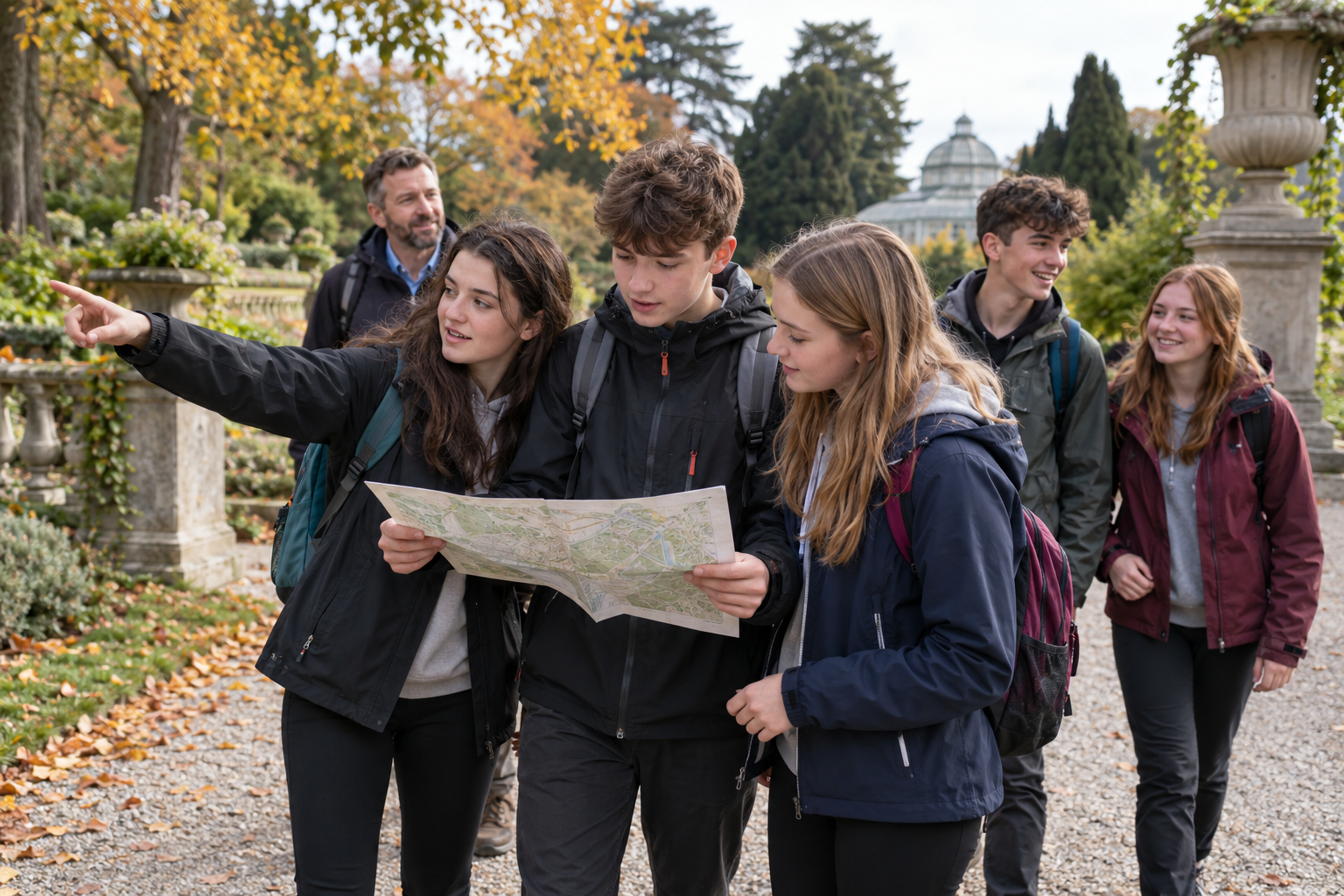
An itinerary filled from departure to bedtime can leave little room for students to contribute. Where appropriate for their age and the school’s arrangements, pupils might research a stop beforehand, prepare questions for a visit or take a defined role in a group task. Small responsibilities offer a clearer route to learning than a general promise that travel “builds confidence”.
Group travel also makes cooperation concrete. Students have to listen, agree on a plan and account for how their choices affect others. Our blog on the wider culture of a Six Nations weekend also illustrates how a sporting trip can expose students to shared traditions, community and social behaviour beyond the event itself. The TY Programme Statement identifies opportunities for meaningful collaboration and student involvement in learning; a tour can provide one setting for this when those opportunities are deliberately built in.
If you are comparing Transition Year school tours, ask what students will do at each stop. Celtic Horizon Tours can help shape a workable travel schedule around the school’s chosen purpose, giving teachers more time to focus on the activities and questions that matter to their class.
How can teachers plan school tour learning outcomes?
Choose two or three outcomes that suit the group, then work backwards. A history class might examine how a site explains the past. A sports group might review how it communicates under pressure. A TY group exploring careers might prepare questions for people working in a field that interests them.
Before departure, give students enough context to recognise what they are seeing. During the visit, allow time for observation and discussion. Afterwards, return to the original questions. The TY Programme Statement includes student portfolios and reflection among the ways schools can recognise learning and development, making a brief follow-up more useful than treating the return journey as the end of the exercise.
Keep the task proportionate. A pupil who spends an entire museum visit completing a worksheet may miss the exhibit that would have prompted the best question.
Cost, inclusion and the school tour itinerary
Educational value has to be considered alongside access. Before comparing destinations, establish the full school tour cost per student: transport, accommodation where needed, admission, meals and local transfers. Then ask whether the main activity justifies that total for this particular group. A less expensive trip with a strong purpose may serve students better than a costly programme of loosely connected stops.
Check the practical detail early, too. Walking demands, breaks, dietary needs and the accessibility of booked activities all affect whether students can take part. An itinerary that works for most of the class but excludes others needs adjusting before deposits and bookings make changes harder.
Tour details and prices can change, so request current written inclusions when comparing quotes. If your school has chosen the learning activities but needs help coordinating travel, accommodation and timings, ask Celtic Horizon Tours for an itinerary and itemised quote. That makes it easier to assess the plan against both the educational aim and the families’ likely costs.
DIY planning and school tour supervision
A school can arrange a tour independently, particularly when the trip is local and straightforward. For a multi-stop or overseas visit, separate bookings create more details for the organising teacher to track: arrival times, group reservations, transfers, accommodation and changes to the schedule. Bringing those details together can reduce administrative work, while the school retains responsibility for its pupils and its educational decisions.
School tour supervision should be considered while the route is being designed. Think through where the group will gather, how long transfers will take and whether teachers can reasonably account for pupils during busy arrivals and departures. Ireland’s Department of Education publishes Circular M20/04 for post-primary educational tours by school groups; schools should use the applicable guidance and their own policies when seeking approval and planning arrangements.
Are school tours worth the cost?
They can be, when the experience adds something students would struggle to gain in the same way at school and when the price allows the group to participate fairly. A good decision rests on a defined learning aim, suitable activities and a realistic account of the time and money required. A famous destination is neither necessary nor sufficient.
After the trip, ask students what changed in their understanding and which part of the experience caused that change. Their responses can help teachers judge the tour and plan the next one with better evidence.
If you have a learning aim in mind, share it with Celtic Horizon Tours alongside your group size, dates and budget. A practical proposal will show how the travel arrangements support the trip you want students to experience.