How Far in Advance Should You Book a TY Trip? And What Happens If You Leave It Too Late
Key Takeaways
- Nine to twelve months gives most TY groups a sensible balance of availability, preparation time and payment flexibility.
- Accommodation and transport usually restrict your options before individual attractions do.
- A low initial quote means little until dates, group size, inclusions and payment conditions are confirmed.
- Late planning can shorten parent payment periods and make the trip harder to approve.
- An organised trip reduces the number of suppliers and deadlines teachers must manage separately.
A TY trip may last only three or four days, but planning it involves much more than selecting a destination and requesting prices. Transport, group accommodation, school approval, parental payments, passenger documents, rooming arrangements and attraction capacity all have to align.
For a typical overseas TY trip from Ireland, starting nine to twelve months before departure is a practical target. Groups travelling during popular spring dates, requiring flights or hoping to include a heavily booked attraction may benefit from beginning twelve to eighteen months ahead.
That does not mean every detail must be finalised immediately. It means the school has enough time to establish what is available, agree an affordable programme and avoid making important decisions under pressure.
How Far in Advance Should You Book a TY Trip?
A straightforward coach and ferry trip to Britain should normally enter the planning stage at least nine months before departure. A European trip involving group flights is better explored nine to twelve months ahead, particularly when the school wants specific travel times or needs to keep the price within a narrow range. Schools still choosing a UK destination can read our blog comparing Scotland and London for an Irish school tour.
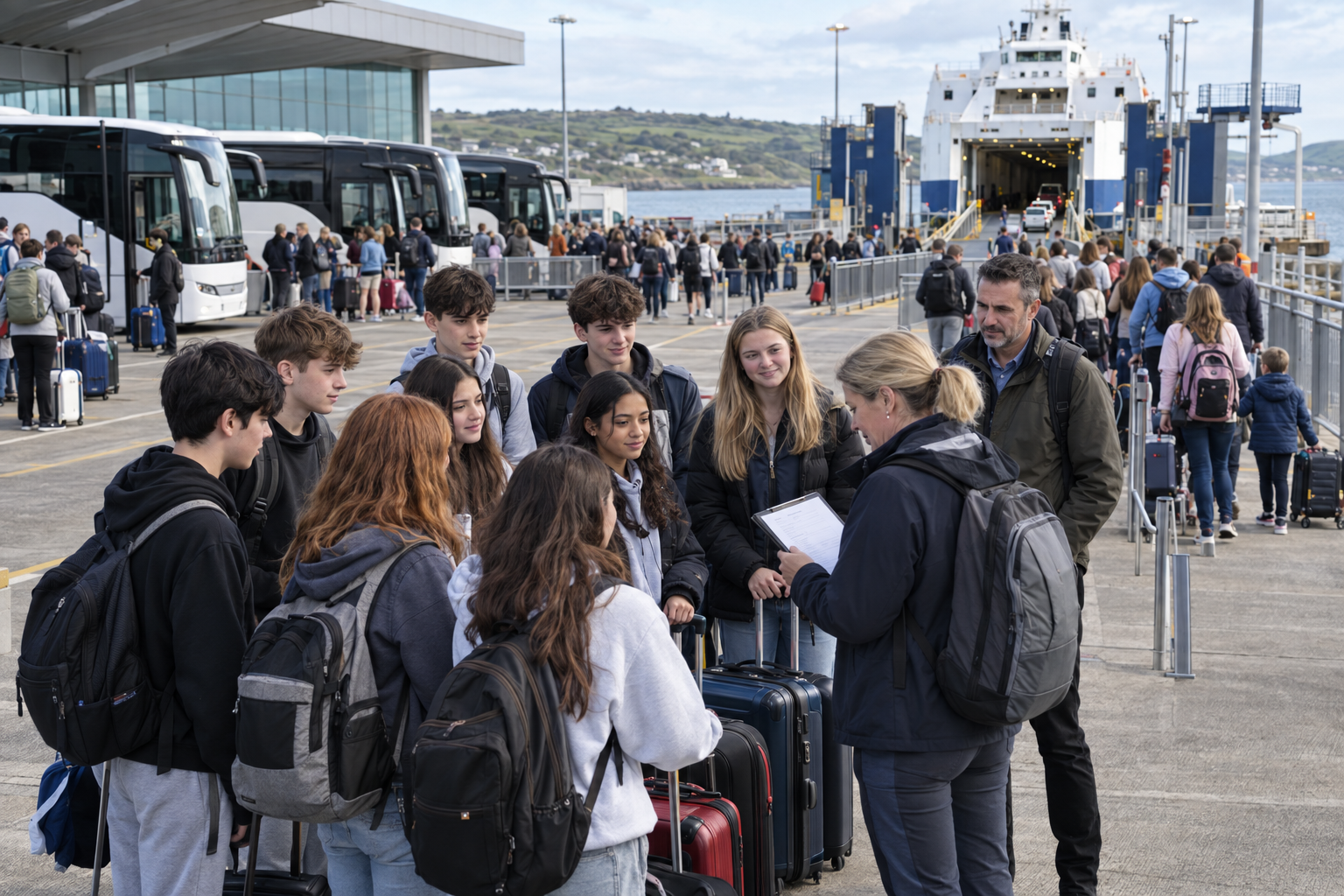
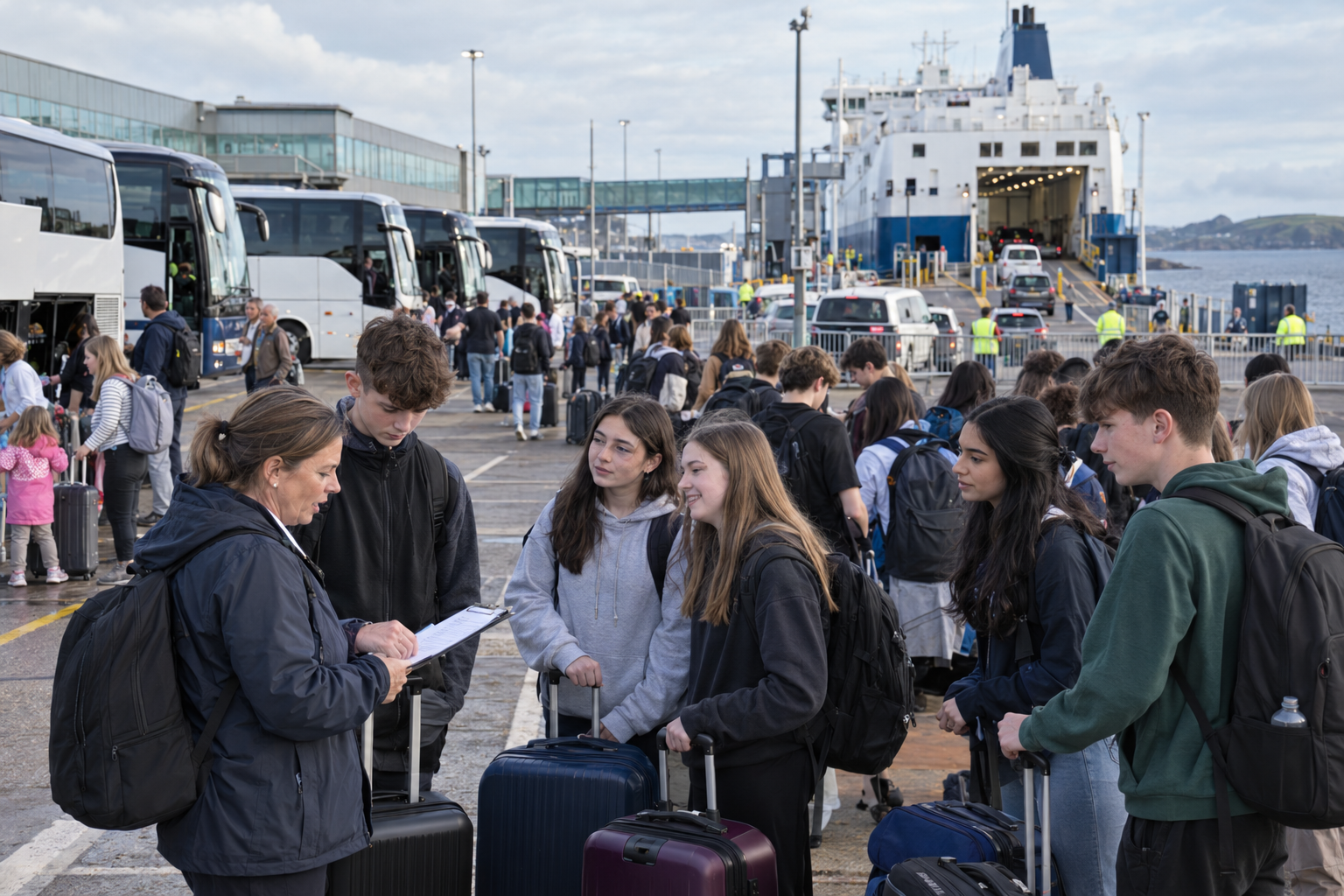
Early planning matters because school groups do not purchase travel in the same way as families. A group may need 40 flight seats, several rooms in one suitable property, coach capacity and timed admission for everyone on the same dates. Availability can look plentiful for two travellers while being extremely limited for 40.
Ferry operators maintain dedicated group-booking services, while Aer Lingus handles larger bookings through its group process and requires passenger names by a specified deadline. These arrangements illustrate why teachers should not base a group plan on prices displayed for individual travellers.
If your school is considering a particular term, destination and approximate group size, an early quotation from Celtic Horizon Tours can establish whether the plan is realistic before it is presented to parents.
The TY Trip Booking Timeline
Around twelve months before travel, the priority is feasibility. Confirm the educational purpose, preferred destination, approximate numbers, maximum acceptable cost and suitable dates. The Department of Education’s guidance treats qualifying school tours as educational activities, so the programme should have a clear connection with the school’s objectives rather than being built solely around availability.
Between nine and twelve months out, transport and school group accommodation should be secured once approval and booking conditions are understood. This is also the right stage to give parents a clear outline of the trip, explain what the price includes and establish a payment schedule.
Six to nine months before departure, attention moves towards participation. Deposits are collected, numbers become firmer and any passport, visa, medical, dietary or accessibility concerns should be identified. Children travelling without a parent may require additional authorisation documents, depending on the destination and individual circumstances.
During the final three months, the work becomes operational: names, rooming lists, emergency contacts, consent forms, dietary information, staff responsibilities and final itinerary checks. Attraction deadlines vary. For example, some London school attractions allow details to be finalised several weeks before arrival, while others require confirmed advance reservations and can sell out. Schools considering the capital can read our blog about London history school tours and immersive activities before deciding which visits should be prioritised.
What Happens If You Book a TY Trip Too Late?

Leaving a TY trip until six months before departure does not automatically make it impossible. It does, however, change the nature of the search. Instead of asking which destination and itinerary best suit the group, the school may have to ask what remains available for its dates and budget.
The first compromise is often accommodation. A hotel may have enough rooms across several dates but not enough on the school’s preferred nights. Moving farther from the centre can reduce the nightly rate, yet increase coach hours, transfer complexity and the risk of arriving late for timed visits.
Transport can create a second restriction. Suitable flight times may be unavailable for the full group, while ferry capacity can become tighter during school holidays, Easter, summer and major events. Irish Ferries specifically advises groups to make contact as soon as possible when travelling during busy periods. Schools considering the Dublin–Holyhead route can also read our blog about the Irish Ferries Ulysses crossing when planning the journey.
Attractions may still have tickets, but not at times that produce a workable day. An 08:30 entry or late-afternoon slot can force unnecessary journeys across a city, add driver-hour complications or leave long gaps in the programme.
A late booking also compresses the school’s internal process. Parents have less time to spread payments, document problems emerge closer to departure and teachers must collect important information while managing the rest of the TY programme.
How Do Late Bookings Affect School Group Travel Costs?
Late booking does not guarantee a higher price, but it removes many of the conditions that help a school control costs. The best-value accommodation may be gone, economical travel times may no longer suit the full group and the itinerary may require extra transfers.
Price should therefore be judged as a complete trip cost. Teachers need to know whether the quotation includes transport to the departure point, baggage, ferry or flight travel, accommodation, meals, local transfers, admissions and relevant taxes. A cheaper headline figure can become more expensive once omitted elements are restored.
Late planning can also make participant numbers harder to manage. If a price was calculated for 40 paying students but only 32 commit, the per-person cost may change unless the booking terms provide another solution.
Celtic Horizon Tours can coordinate transport, accommodation and the agreed programme within one planning process, helping the school see the real cost before asking families to commit.
Planning a School Trip Abroad Without Avoidable Delays
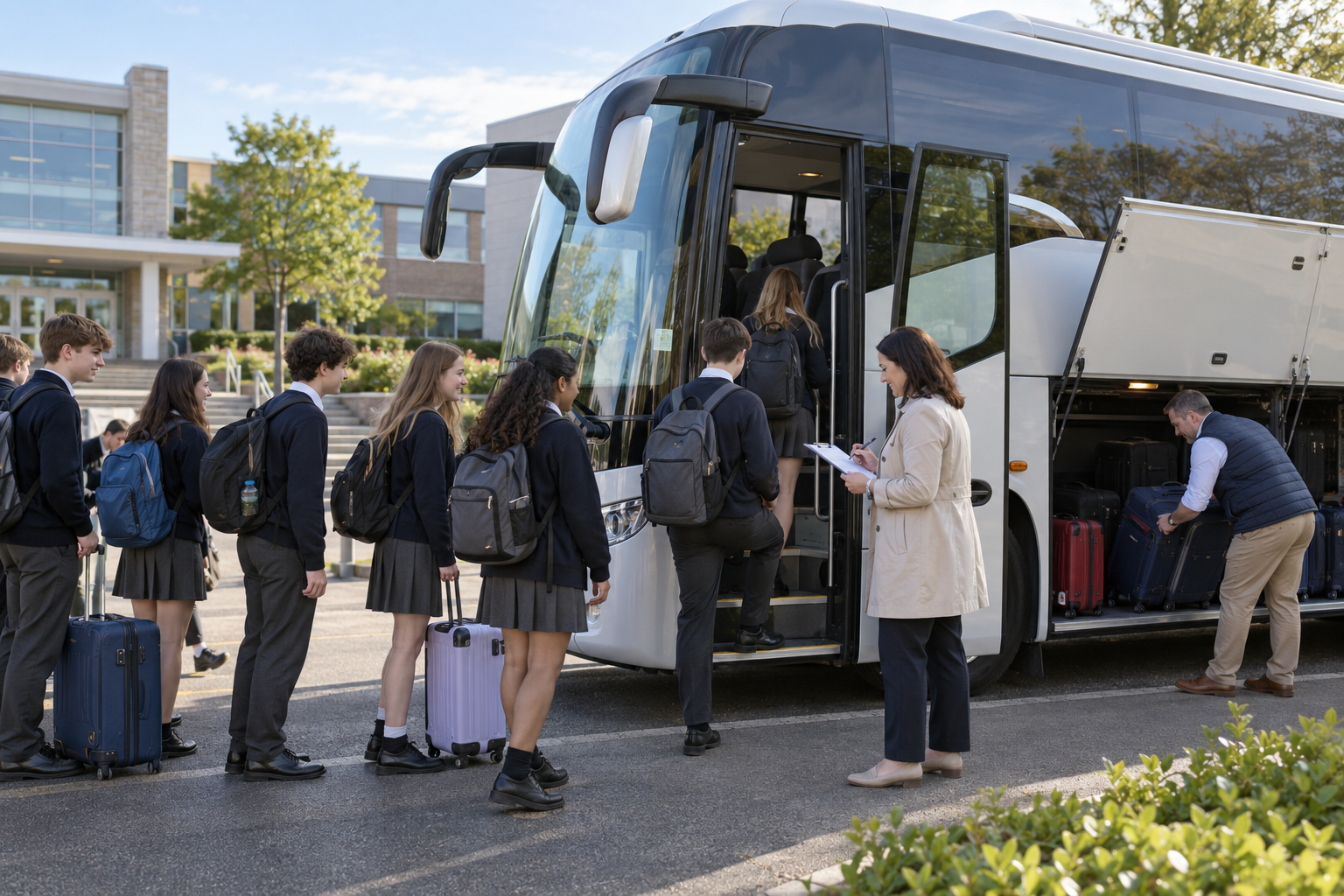
Begin with decisions the school controls. Agree a lead teacher, obtain internal approval, identify acceptable dates and set a realistic budget range. Avoid surveying parents with several loosely researched destinations because enthusiasm is not the same as a commitment to pay.
When requesting a quotation, provide an approximate student number, number of accompanying adults, departure county, preferred travel method, number of nights and any essential activity. This produces a more useful answer than asking for the cheapest possible TY trip without defining what it must achieve.
Passport and nationality checks should start early. Each traveller’s requirements can differ, particularly where a student is not an Irish or EU citizen. Official guidance advises schools to deal with relevant applications well before travel because processing can take time.
The strongest planning approach is early but flexible: secure the elements that control the trip, then finalise names and smaller details according to supplier deadlines.
Can you organise a last-minute school trip?
Sometimes. A simpler itinerary, alternative travel dates or a destination closer to Ireland may make the trip possible. The realistic objective is a safe, coherent programme, not forcing the original plan into limited availability.
If your school is considering a TY trip for the next academic year, speak to Celtic Horizon Tours before confirming dates with parents. Early planning creates better choices, clearer costs and far fewer deadlines for teachers to manage.