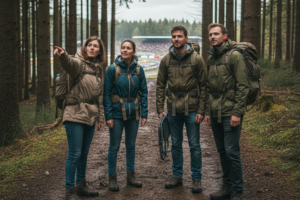
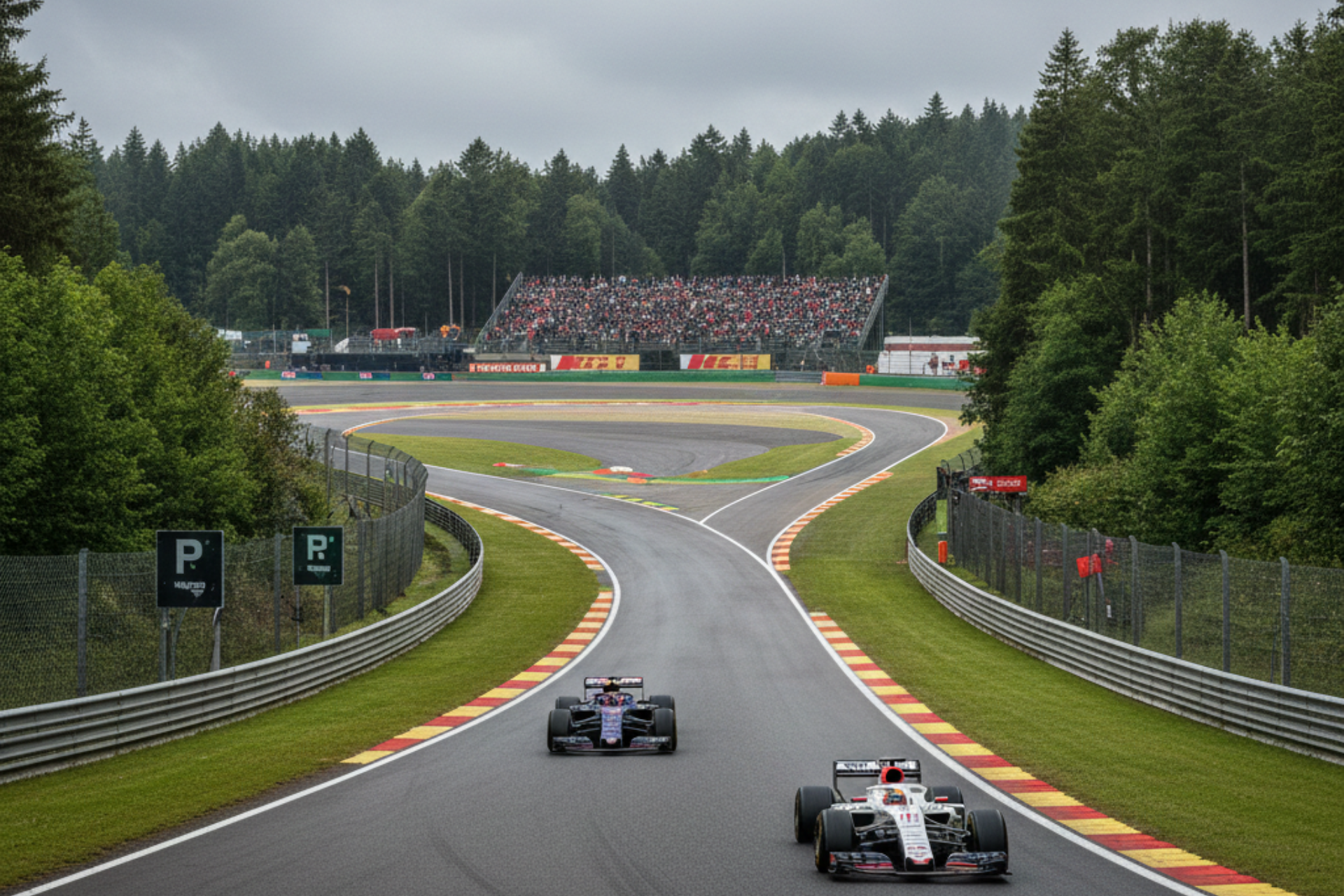
How to Get to Spa-Francorchamps for F1: What First-Time Travellers Need to Know
The Belgian Grand Prix at Circuit de Spa-Francorchamps is one of the most iconic weekends in Formula 1. It is also one of the most misunderstood from a logistics point of view.
Unlike city-based races where hotels, metro stations and grandstands sit within walking distance of each other, Spa is set deep in the Ardennes countryside. The circuit is surrounded by forest, narrow regional roads and small towns that were never designed to handle race-weekend crowds.
For Irish fans flying into Brussels Airport, the key question is rarely about tickets first. It is this: Is it better to stay in Brussels or near Spa-Francorchamps?
The answer depends on what you value more: proximity or predictability.
Where Is Spa-Francorchamps and Why Location Changes Everything
Spa sits roughly 140 km from Brussels in eastern Belgium, near the towns of Stavelot, Malmedy and Spa itself. On a clear weekday morning, the drive from Brussels can take under two hours. On Grand Prix Sunday, it is rarely that simple.
The circuit’s rural setting creates three realities:
- Travel times expand significantly on race days
- Public transport requires connections and queues
- Walking distances inside the venue are considerable
These factors influence where you should stay more than hotel star ratings ever will.
Before locking in accommodation, it is also worth understanding how Belgian Grand Prix 2026 tickets work at Spa, particularly the difference between Bronze General Admission and grandstand seating.
Is It Better to Stay in Brussels or Near Spa-Francorchamps?
This is the most common planning dilemma for the Belgian Grand Prix.
Staying Near the Circuit
Towns such as Spa, Stavelot and Malmedy offer the romance of being “close to the action”. You wake up surrounded by F1 fans and you are geographically nearer the gates.
However, the trade-offs are substantial:
-
- Accommodation supply is limited
- Prices increase sharply during race weekend
- Many properties are small guesthouses rather than larger hotels
- A car is usually required
- Restaurant choice is limited
Even if you secure a room nearby, you may still face long walks or shuttle journeys to reach your specific gate. “Near” in map terms does not always mean easy in practical terms.
Staying in Brussels for the Belgian Grand Prix 2026
Brussels offers scale and infrastructure. Four-star hotels are available at predictable standards. There is no shortage of places to eat after the race. Airport transfers are straightforward.
The compromise is distance.
You must allow approximately two hours each way by road during race weekend, sometimes more depending on traffic management. Early departures are necessary, particularly on Sunday.
For many Irish travellers, however, the certainty of a city base outweighs the unpredictability of rural logistics.
Brussels to Spa-Francorchamps Transport Options
Understanding transport is essential before choosing your base.
Train and Shuttle via Verviers
The common DIY route involves:
- Train from Brussels-Midi to Verviers
- Shuttle bus from Verviers to the circuit
On paper, the train journey is around 90 minutes. In practice, once you factor in waiting times, shuttle queues and post-race congestion, the total journey can exceed three hours each way.
It works. Many fans use it successfully. But it requires patience, good timing and tolerance for crowds.
Driving and Circuit Parking
Hiring a car offers autonomy, but introduces its own complexity:
- Official parking passes must be booked in advance
- Parking zones can be far from your chosen viewing area
- Narrow country roads slow significantly before and after the race
- Rain can affect field parking conditions
Exiting the circuit on Sunday evening can take well over an hour before reaching open motorway.
Organised Coach Transfers
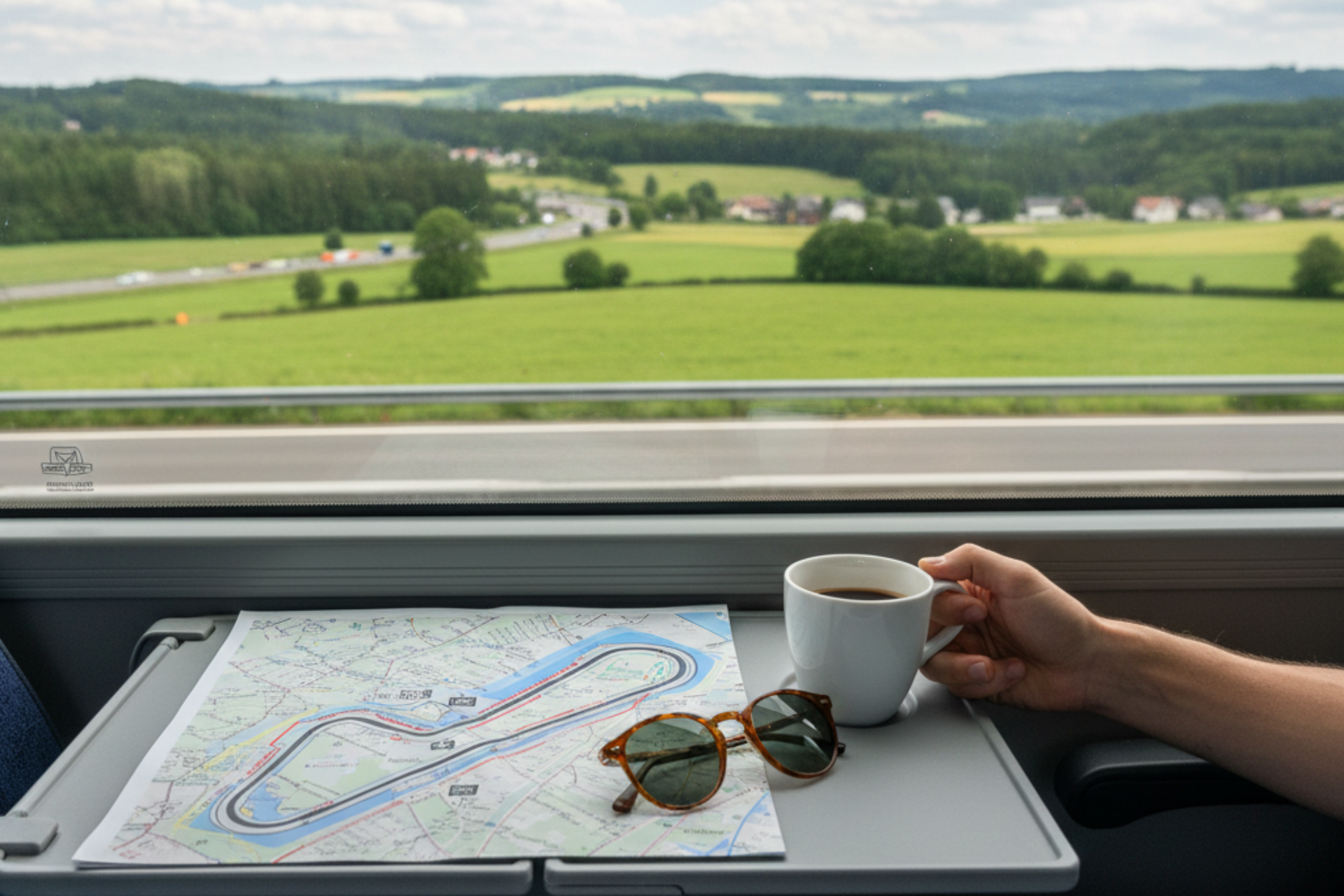
An organised coach removes several decision points. Routes are planned around race schedules, and passengers are not responsible for navigation, parking or train connections.
For example, Celtic Horizon Tours bases guests in a 4-star Brussels hotel and provides return coach transfers on qualifying and race days. The journey time is similar to driving independently, but the coordination is handled for you.
If you want to review how that structure works in practice, you can see the full 2026 tour details here.
How Long Does It Really Take to Get from Brussels to Spa?
Under normal conditions, 1 hour 45 minutes to 2 hours.
On Grand Prix weekend, you should realistically allow 2 to 2.5 hours. Traffic flows are controlled and staggered, but high attendance is unavoidable.
The key is not just the journey out, but the return. After the chequered flag, tens of thousands leave simultaneously. Delays are part of the experience.
Planning with margin rather than optimism is essential.
Spa-Francorchamps Walking Distances and Terrain
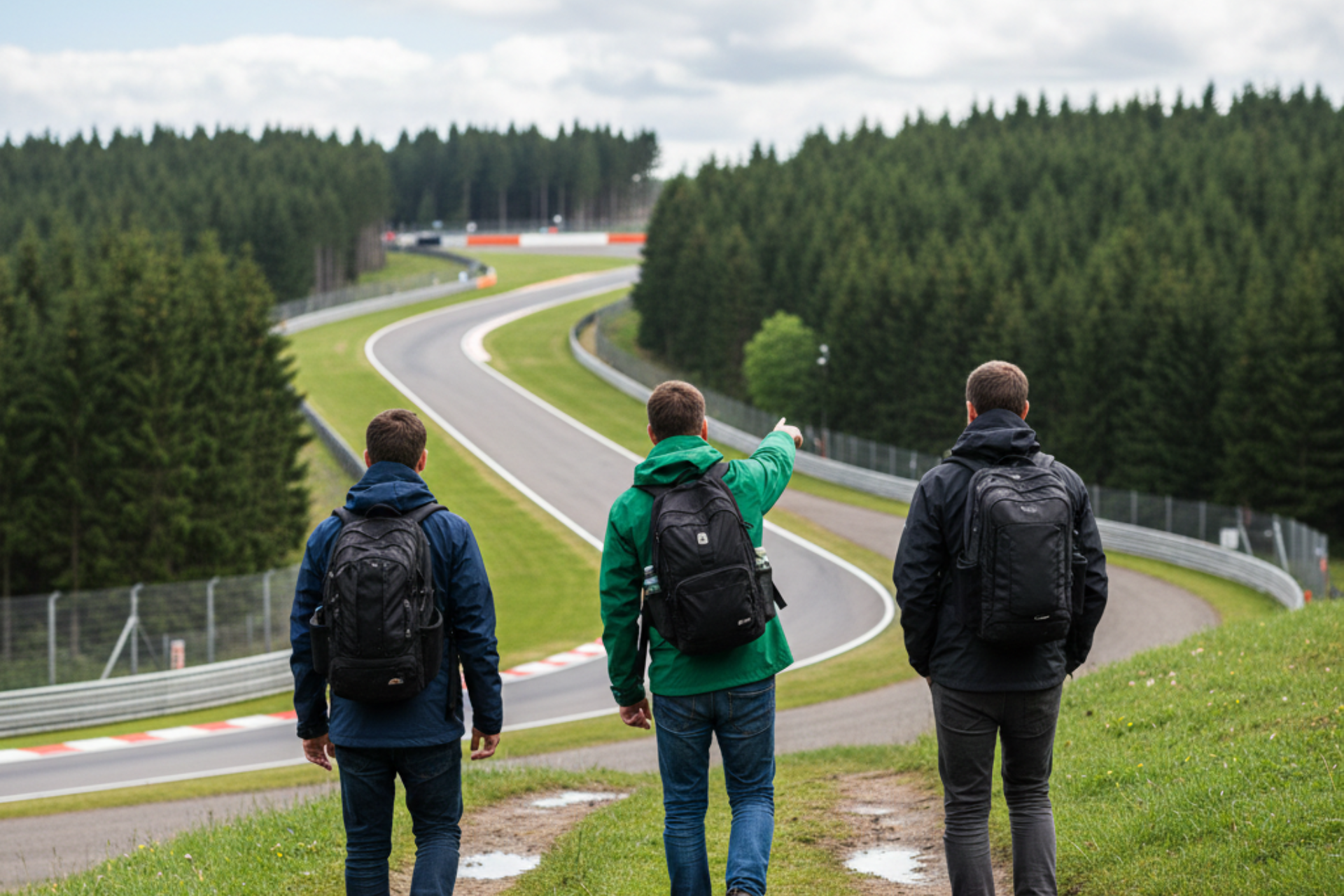
One factor that often surprises first-timers is how physical Spa is.
The circuit measures over 7 km and follows natural elevation. If you hold Bronze General Admission tickets, you will likely walk several kilometres during the day between sectors such as Kemmel Straight, Bruxelles and Blanchimont.
Expect:
- 10,000 to 15,000 steps daily
- Steep inclines
- Uneven ground
- Potential mud if rain arrives
Even those staying near the circuit can face long walks from accommodation or parking to their preferred viewing area. Being geographically closer does not eliminate physical effort.
This is why your evening base matters. After a full day on your feet, returning to reliable transport and comfortable accommodation becomes more important than shaving 20 km off the morning commute.
Ardennes Weather and Why Preparation Matters
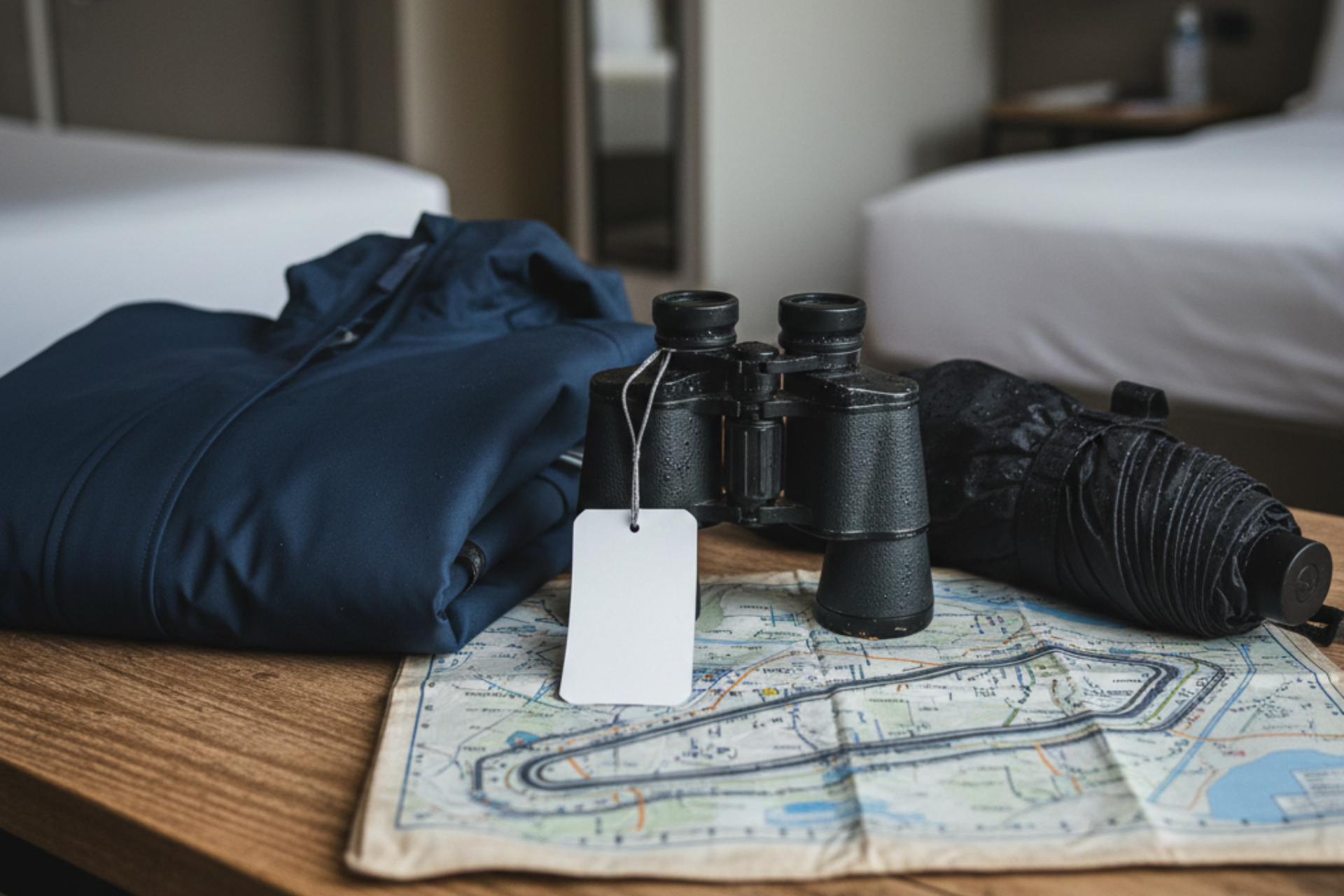
The Ardennes has a reputation for rapid weather shifts. Sunshine can turn to rain within an hour. Forested sections of the circuit can feel cool in the morning and humid in the afternoon.
Layered clothing, waterproof footwear, and patience are essential.
This variability also affects travel times. Rain slows traffic and increases congestion near field car parks. Structured transfers with built-in buffers reduce the stress of reacting to last-minute changes.
Why 2026 Requires Forward Planning
With Formula 1 operating under a rotating European calendar, Spa’s appearances are more limited than in previous decades. When demand increases and supply near the circuit remains fixed, rural accommodation prices rise first.
For 2026, securing flights, hotel rooms, and transfers in a coordinated manner is likely to be more practical than assembling them individually at short notice.
If you are weighing DIY against a package, the real comparison is not freedom versus restriction. It is responsibility versus delegation.
When Does Brussels Make the Most Sense?
Brussels is usually the smarter base if:
- You are flying from Ireland on fixed schedules
- You want reliable hotel standards
- You prefer a wide choice of restaurants and amenities
- You would rather avoid coordinating multiple transport connections
It does require early starts and longer road time. However, it offers predictability. For many first-time Spa visitors, predictability is more valuable than proximity.
A Practical Conclusion
You can organise Spa independently. With enough time and research, it is entirely possible.
But Spa rewards structure. The combination of distance, terrain, and high attendance means small planning errors can ripple across your entire weekend.
For Irish fans who would prefer to focus on Eau Rouge rather than train timetables, a coordinated approach often proves the calmer option. Celtic Horizon Tours handles flights from Dublin, Brussels accommodation and race-day transfers, allowing you to experience the circuit without carrying the logistical burden yourself.
If your priority is getting the fundamentals right the first time, it is worth considering a structured Belgian Grand Prix package alongside your DIY research.