The ‘Hidden’ Costs of a Scotland Trip: A Realistic Budgeting Guide for 2026
When planning a journey through the Scottish Highlands, it is easy to focus on the headline price of a flight or the nightly rate of a hotel. However, the true cost of a Scottish adventure in 2026 is often found in the margins. From the evolving landscape of local tourism taxes to the rising price of a traditional haggis supper in remote glens, understanding the “invisible” expenses is the difference between a relaxing holiday and a week spent scrutinising bank statements.
For the Irish traveller, Scotland feels familiar, yet the nuances of its hospitality economy have shifted significantly in recent years. As we move through 2026, several new factors, including the Visitor Levy and fluctuating rural service costs, have changed the baseline for what constitutes a “comfortable” daily budget. This guide breaks down exactly what you should expect to spend so you can enjoy the mist-covered peaks without the financial fog.
The Real Cost of Dining in the Highlands
Food is often the largest variable in any travel budget. In 2026, the gap between “budget” and “mid-range” dining in Scotland has widened. While you can still find value, the location plays a massive role in the price of the menu.
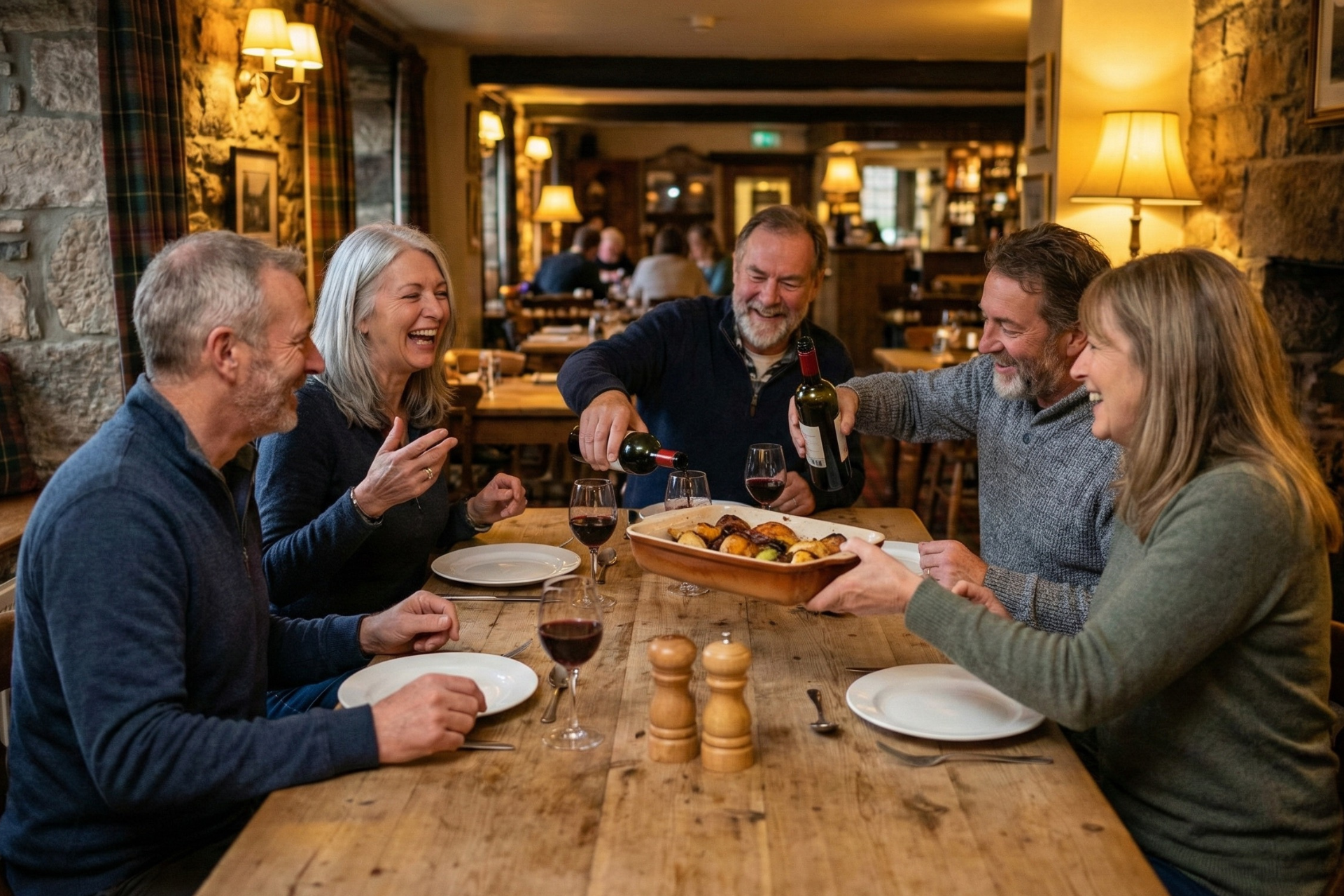
- Breakfast: Most structured tours include a full Scottish breakfast, which is a significant saving. If you are buying it independently, expect to pay between €12 and €18 for a hearty plate with tea or coffee.
- Lunch: A quick soup and a sandwich in a popular hub like Fort Augustus or Portree will typically cost around €15. If you prefer a sit-down meal in a pub, budget closer to €22.
- Dinner: A two-course meal at a mid-range restaurant in Inverness or a local Highland inn now averages between €35 and €45 per person, excluding alcohol.
- Drinks: A pint of local ale or a standard lager in the Highlands costs around €5 to €7. A single measure of a premium single malt whisky will start at approximately €6, though rare aged varieties can quickly climb much higher.
Tipping Etiquette and Service Charges
Tipping in Scotland remains discretionary, but there is a clear social standard that has solidified in 2026. In most restaurants with table service, a tip of 10% to 15% is expected if the service was good. However, you must check your bill for a “service charge.” Many establishments now automatically add a 12.5% charge, especially for groups. If this is already included, you are not expected to add a tip.
For smaller interactions, such as buying a round of drinks at a bar or a coffee at a counter, tipping is not required. In taxis, most locals simply “round up” to the nearest whole amount. For your tour driver or guide, a small gratuity at the end of the trip is a common way to show appreciation for their local knowledge and safety, but it remains entirely at your discretion and should never feel like a mandatory fee.
What Visitors Usually Underestimate
The “hidden” costs are often those that do not appear on a menu. In 2026, two specific areas often catch travellers off guard: the Visitor Levy and the “Rural Premium.”
- The Visitor Levy: Following recent legislation, several Scottish councils have introduced a small percentage-based tax on overnight stays. While it often only costs a few euros per night, this can add €20 to €40 to a week-long trip that was booked without accounting for the levy.
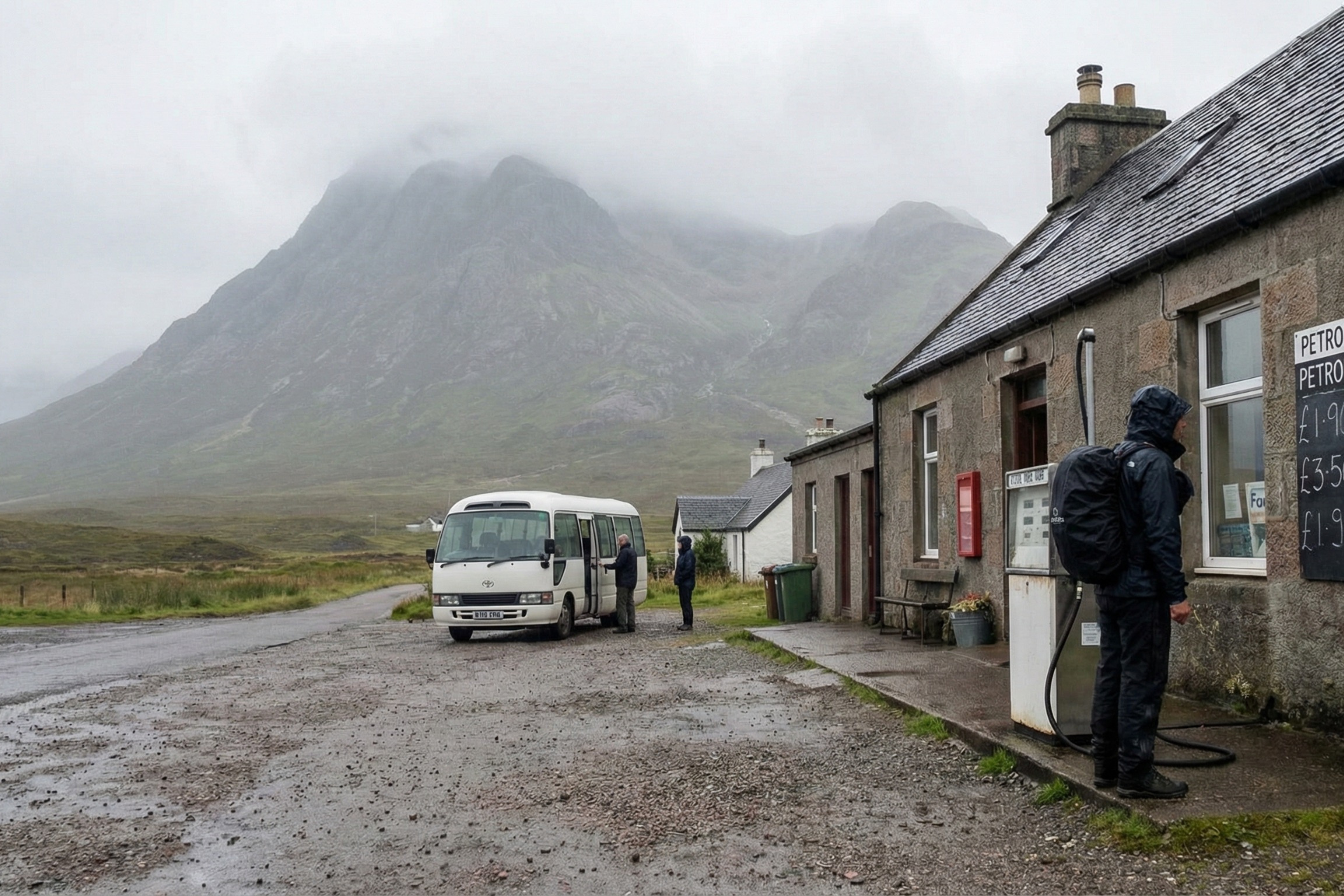
- The Rural Premium: In the remote Highlands, fuel, groceries, and even café prices are higher than in the Central Belt or back home in Ireland. This is due to the complex logistics of transporting goods to these areas. If you are driving yourself, fuel in a remote glen can be 10% to 15% more expensive than in a major city.
- Parking and Access: While the scenery is free, the infrastructure often is not. Popular photography spots and trailheads now frequently charge parking fees of €4 to €8 per day to help maintain the delicate local environment.
DIY vs. Organised Travel: The Budget Battle
When you look at the price of a Highlands of Scotland tour package, the initial figure might seem higher than a solo flight and a car rental. However, a realistic budget comparison often proves otherwise.
When you travel independently, you are paying the “retail” price for every component. You are paying the peak-rate car rental insurance, the full pump price for fuel, and the standard walk-in rates for attractions like Urquhart Castle or a Loch Ness cruise. Furthermore, you bear the risk of price surges. If a ferry is cancelled or a hotel is overbooked, the cost of a last-minute alternative comes directly out of your pocket.
A Celtic Horizon Tours package effectively “locks in” your costs. Because we handle the logistics at scale, we can include breakfasts, transport, and specific accommodation within a single, transparent price. This eliminates the “financial leak” of daily parking fees, fuel fluctuations, and the unexpected costs of navigating the Highlands. You leave home knowing that 80% of your holiday is already paid for, leaving your daily spending money for the things that actually matter: souvenirs, that extra dram of whisky, or a special local dinner.
Making the Most of Your Spending Money
To maximise your budget, we recommend carrying a small amount of cash for the most remote village shops that may still have minimum spend requirements for cards, though most of Scotland is now fully digital. By choosing a tour that includes your primary transport and accommodation, you essentially eliminate the stress of the 2026 “Visitor Levy” and parking fees, as these are managed as part of the broader group logistics.
Don’t let hidden costs ruin your Highland getaway. Explore our Scotland Tour Packages today and enjoy the peace of mind that comes with a professionally managed and transparently priced itinerary.