Is It Safe to Send Your Child on a School Tour Abroad? What Every Parent Needs to Know
Key Takeaways
- Most well-run school tours are safer than parents expect because structure, supervision and planning reduce many common travel risks.
- The biggest problems usually come from unclear communication, not the destination itself.
- Teacher ratios, accommodation standards and emergency procedures matter more than flashy itineraries.
- Students often gain confidence, maturity and independence faster on organised group travel than in everyday routines.
- A specialist operator can remove planning pressure while giving schools and parents clearer safety systems.
Is It Safe to Send Your Child on a School Tour Abroad? What Every Parent Needs to Know
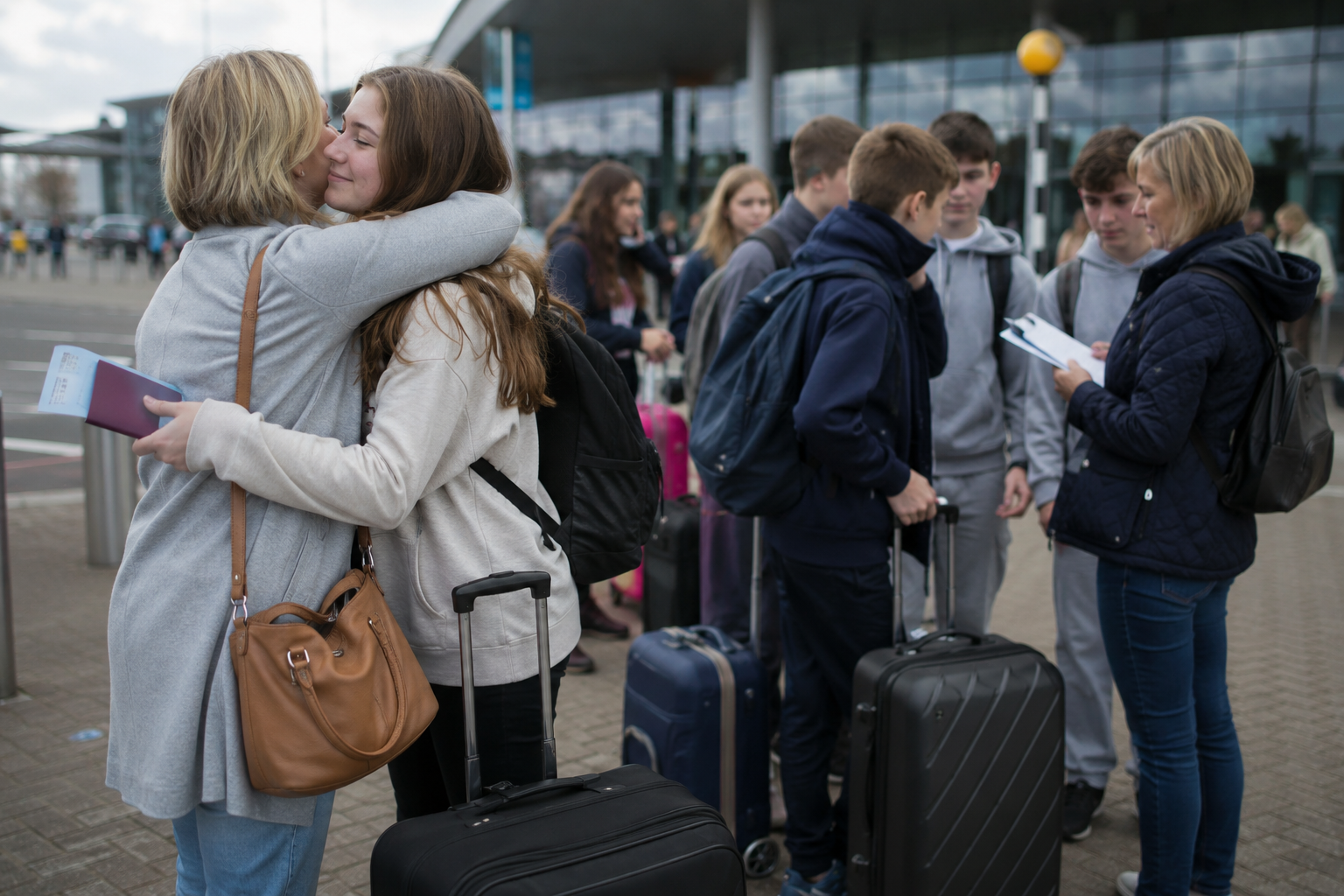
For many parents, agreeing to a school trip abroad can feel like a bigger step than they expected. A day tour is one thing. Sending your child to another country for several days can raise very normal questions about safety, supervision, behaviour, transport, accommodation and what happens if something goes wrong.
Those concerns are sensible, not overprotective.
The good news is that organised school tours to Europe are usually built around structure, planning and risk control. In many cases, students are more supervised on tour than they are during an ordinary weekend at home.
The real question is not whether school tours abroad are automatically safe or unsafe. The better question is: how well is the trip organised, supervised and supported?
That is where quality matters.
How Safe Are Organised European School Tours?
Well-managed school tours are designed with safeguarding in mind from the start.
A typical organised European school trip includes:
- Pre-planned travel schedules
- Group check-ins throughout the day
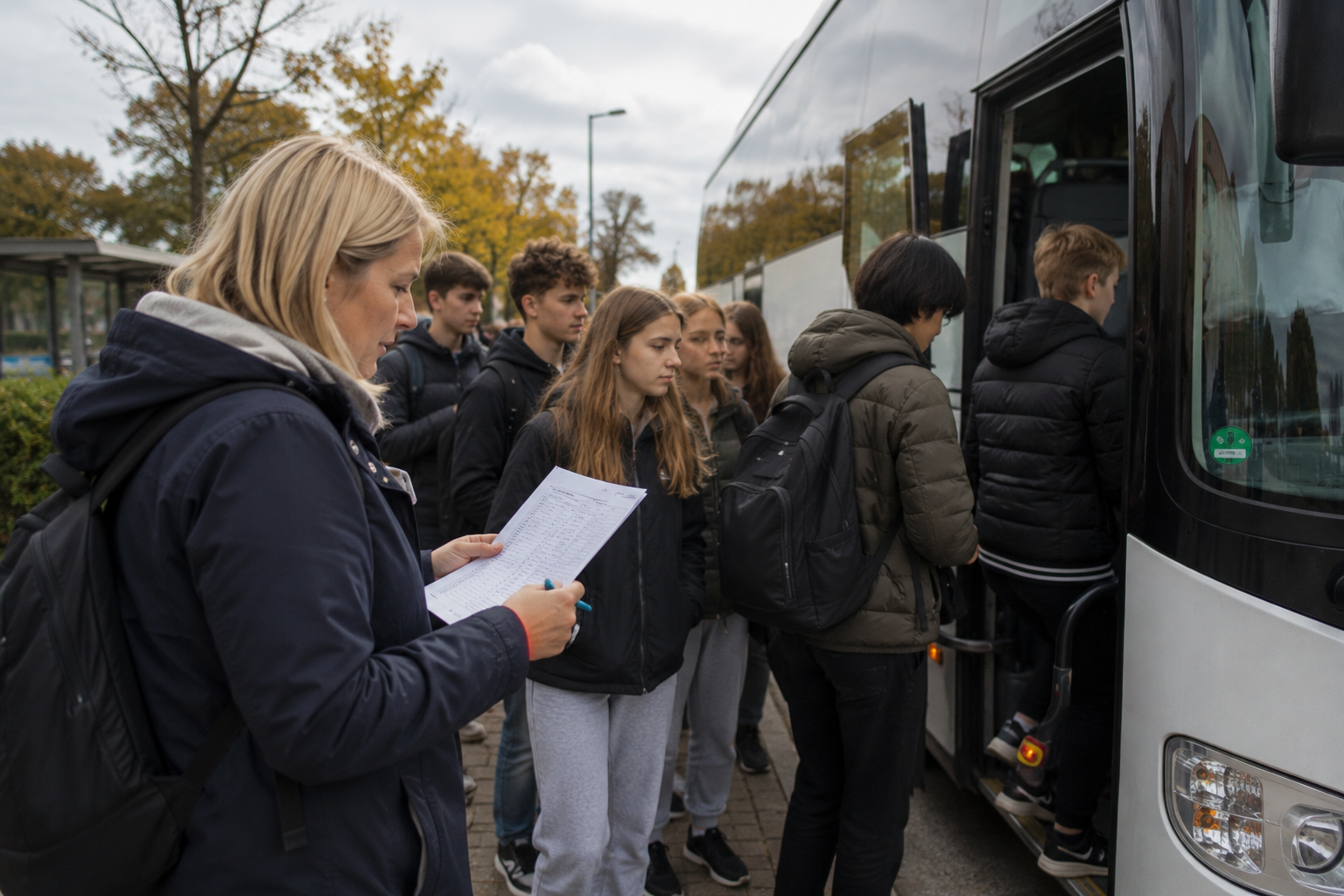
- Teacher supervision systems
- Vetted accommodation providers
- Booked transport rather than improvised local travel
- Emergency contact procedures
- Clear behaviour expectations for students
- Risk assessments before departure
This structure significantly reduces many of the uncertainties parents worry about.
When schools work with experienced operators such as Celtic Horizon Tours, much of the complex logistics are handled in advance, which helps teachers focus on students rather than solving travel problems on the move.
What Supervision Should Parents Expect on a School Tour?
This is one of the most searched questions, and rightly so.
Parents should expect schools to explain:
- How many teachers or adults are travelling
- Rooming arrangements
- Curfews and evening supervision
- Meeting points during excursions
- Headcount procedures
- Free-time rules, if any
- Behaviour expectations and consequences
Good tours do not rely on guesswork. They rely on routines.
Older students may be given limited independence in controlled settings, such as shopping areas or city squares, but usually with time limits, buddy systems and fixed return points.
If a school cannot clearly explain supervision arrangements, it is fair to ask more questions.
Is Travelling Abroad With Students Risky?
Any travel carries some level of risk. However, organised student travel lowers avoidable risk through expert planning.
Common concerns include:
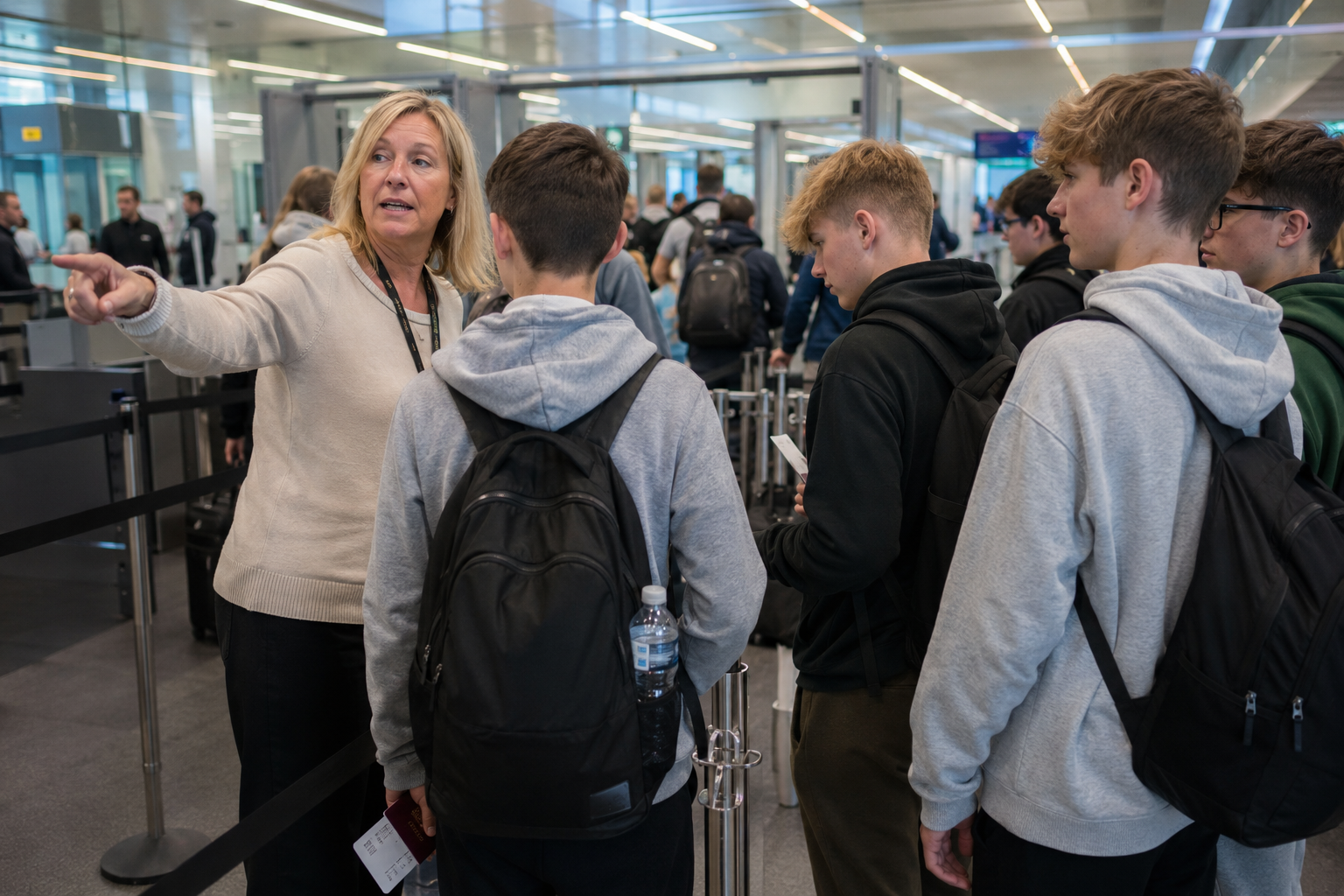
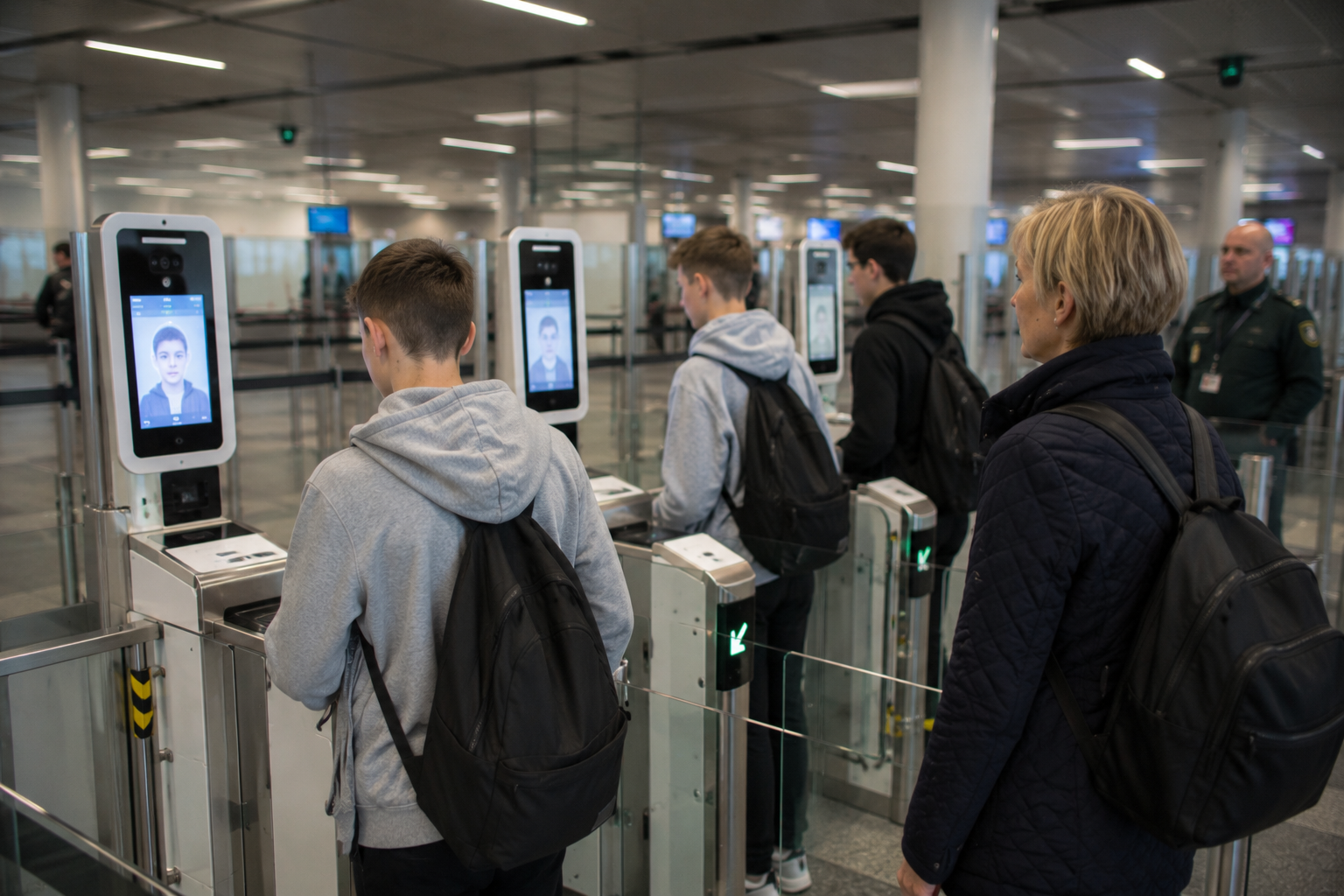
- Airports and the new EES: With the EU’s Entry/Exit System (EES) now fully operational as of April 2026, non-EU passport holders (including UK and some international students) must provide biometric data, facial scans and fingerprints at the border. Experienced operators help teachers manage these digital check-ins to prevent delays.
- ETIAS Authorisations: For trips planned for late 2026, the new ETIAS (European Travel Information and Authorisation System) pre-travel screening adds another layer of security. Specialized tour providers track these requirements for the whole group, ensuring no student is left behind due to a paperwork error.
- Separation & Illness: Strong school tours prepare for these in advance. For example, hotels used for school groups are selected for group-safe layouts, and teachers now travel with secure, digital “Emergency Dossiers” for instant access to medical needs.
What Happens If My Child Gets Sick Abroad?
This is often the fear parents mention first.
Schools typically gather medical information before departure, including allergies, medication needs and emergency contacts. Teachers then travel with that information securely available.
If illness occurs, the response may include:
- First aid support
- Contacting parents
- Local medical assistance
- Pharmacy access
- Insurance procedures
- Adjusted supervision if rest is needed
Parents should always disclose relevant medical needs clearly before travel. That helps schools plan properly.
Are European Cities Safe for School Trips?
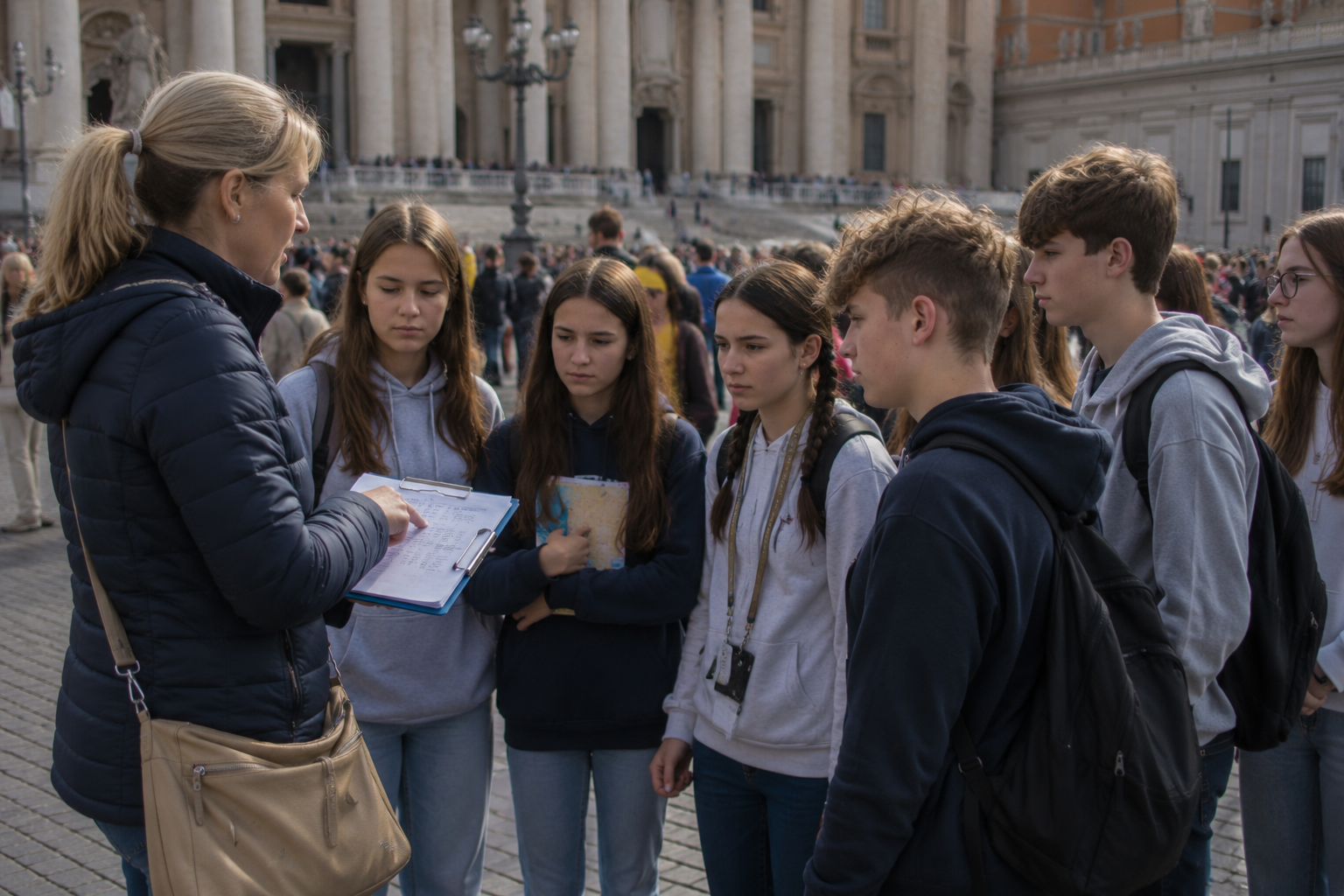
Many popular school destinations such as Paris, Barcelona, Rome and Berlin host school groups every year.
Like any major city, they require awareness, organisation and sensible behaviour. Busy transport hubs, tourist areas and crowded attractions need careful management.
That is why itinerary design matters.
Experienced operators often choose:
- Sensible hotel locations
- Reliable coach transfers
- Timed attraction entry
- Walkable daily routes
- Appropriate meal stops
- Realistic schedules that avoid fatigue
A poorly planned trip can feel chaotic anywhere. A well-planned trip often feels calm even in busy cities.
What Should Parents Ask Before Paying a Deposit?
If you want reassurance, ask practical questions rather than general ones. Useful questions for a 2026 tour include:
- Who is the specialist organiser? (e.g., Celtic Horizon Tours)
- Border Readiness: How is the school managing the new EES biometric checks and ETIAS applications for non-Irish/EU passport holders?
- Supervision: What is the staff-to-student ratio (the 2026 industry standard is typically 1:10)?
- Digital Safety: How will the school access my child’s medical and emergency contact info while abroad, is it via a secure, GDPR-compliant travel app?
- Insurance: Does the policy include the 2026 standard of at least €1 million in medical cover?
- Behaviour: What is the mobile phone and “free time” policy in busy city centres?
Should You Let Your Child Go?
Every family decides differently, based on age, maturity, health needs and comfort level.
But for many students, a properly organised school tour abroad is one of the most valuable experiences of their school years.
The right question is not simply “Is it safe?” but “Is it responsibly planned?”
When supervision is clear, communication is strong and logistics are professionally handled, the answer is often yes.
Planning a European School Tour for Your School?
If your school wants a trip that balances learning, enjoyment and safety, Celtic Horizon Tours helps schools across Ireland organise structured European tours with clear support from enquiry to return.
That means less stress for teachers, more reassurance for parents and a better experience for students.
Speak with the team today and start planning a school tour that gets the important details right first time.