How to Organize a Junior Sports Tour for Your Irish School
Key Takeaways
- Fix the educational and sporting purpose before choosing a destination, because the programme should shape the route, not the other way around.
- The cheapest quote can become poor value once meals, transfers, kit transport, insurance and cancellation terms are added.
- Mixed-nationality groups need individual UK entry checks; Irish citizenship rules do not automatically cover every pupil.
- Supervision planning must reflect age, activity, accommodation and free time, rather than relying on one standard adult-to-pupil ratio.
- Organised travel works best when one schedule connects transport, fixtures, training, meals, rooms and emergency contacts.
A junior sports tour can develop competitive experience, teamwork and independence, but it also combines minors, sporting risk, equipment, fixtures, border documents and tightly timed transport. Successful tours begin with a clear purpose, then move through approval, budgeting, safeguarding and logistics in the right order.
Step 1: Define the Purpose of the Junior Sports Tour
Start by deciding what the tour is meant to achieve. Is the priority competitive fixtures, coaching, team development, a reward for participation, or a wider educational experience built around sport?
That distinction affects almost everything. A performance-led tour needs suitable facilities, recovery time and opposition matched by age and ability, while a reward tour can allow more leisure time but still needs a defensible developmental purpose.
Department of Education guidance for post-primary educational tours says a trip should extend or reinforce school activity and provide benefits that cannot be delivered in school alone. It also places approval with the board of management, subject to the published criteria.
Write a one-paragraph objective before requesting quotes. It will help the school compare destinations and explain the proposal to parents.
Step 2: How Far Ahead Should an Irish School Plan a Sports Tour?
For an overseas junior sports tour, a sensible working lead time is roughly nine to twelve months. The exact period varies, but late planning usually reduces room choice, fixture flexibility and payment time for families.
The Department’s guidance says tours should be planned with parents well in advance, preferably before the school year begins, and that the full cost should be communicated at the planning stage. It also advises that tours lasting more than one day should normally coincide with school holiday periods.
Create a decision calendar covering approval, deposits, final names, rooming, document checks and balance payments. Teachers planning their first overseas school trip should also assign clear responsibilities for parent communication, risk documentation, payments and final approvals.
Step 3: Build a Realistic School Sports Tour Budget
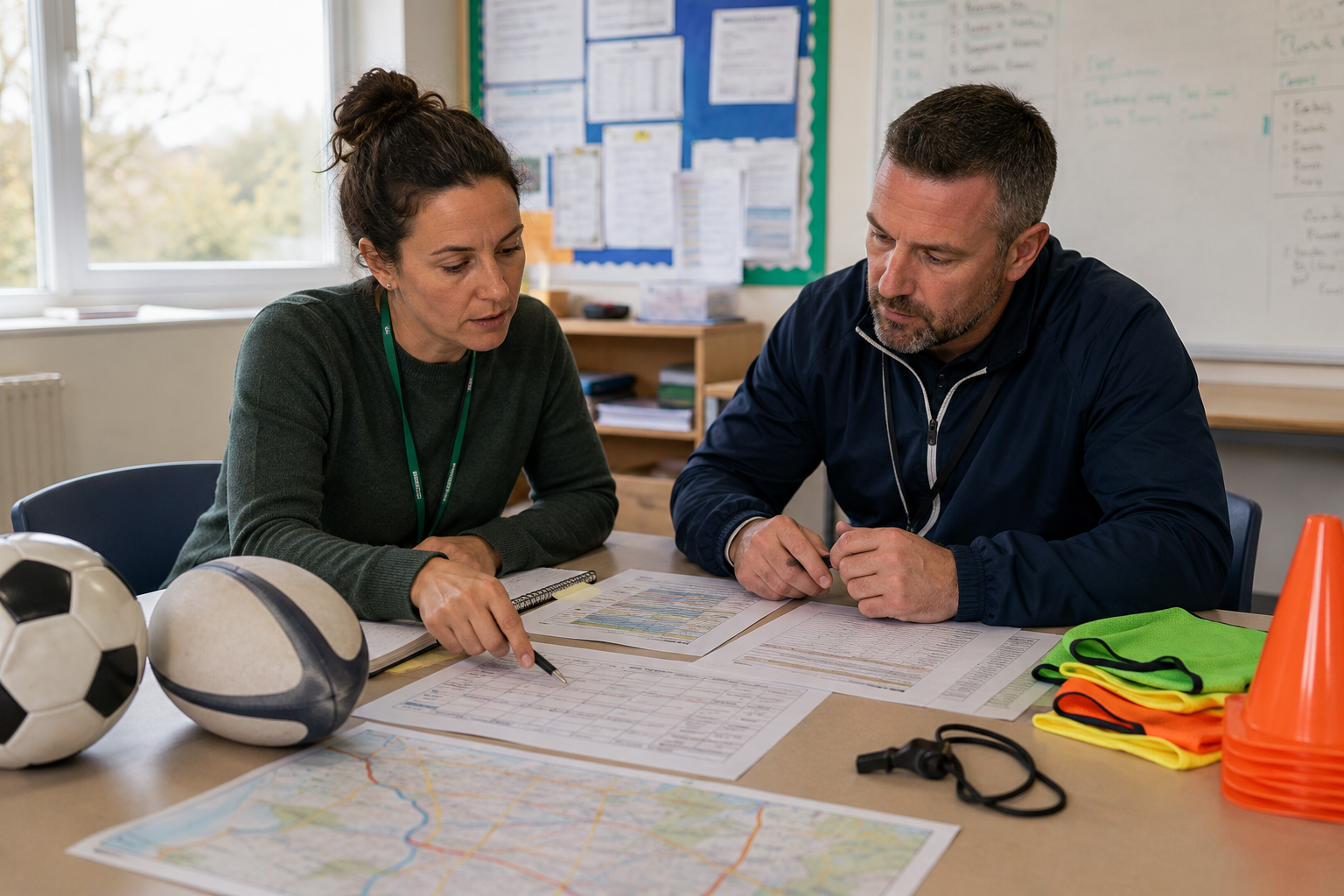
Ask for the total cost per pupil, not merely the headline travel price. A useful budget should identify coach or flight travel, ferry charges where relevant, accommodation, meals, sports sessions, fixture costs, facility hire, equipment transport, insurance and contingency.
Check what happens when numbers change, whether adult places depend on a minimum group size, and how cancellation terms apply as families pay gradually.
Department guidance says schools should make every effort to prevent price excluding pupils, making early, transparent budgeting essential.
One costed plan also makes it easier to see whether travel, rooms and sports arrangements genuinely work together.
Step 4: Match Fixtures, Coaching and Facilities to the Group
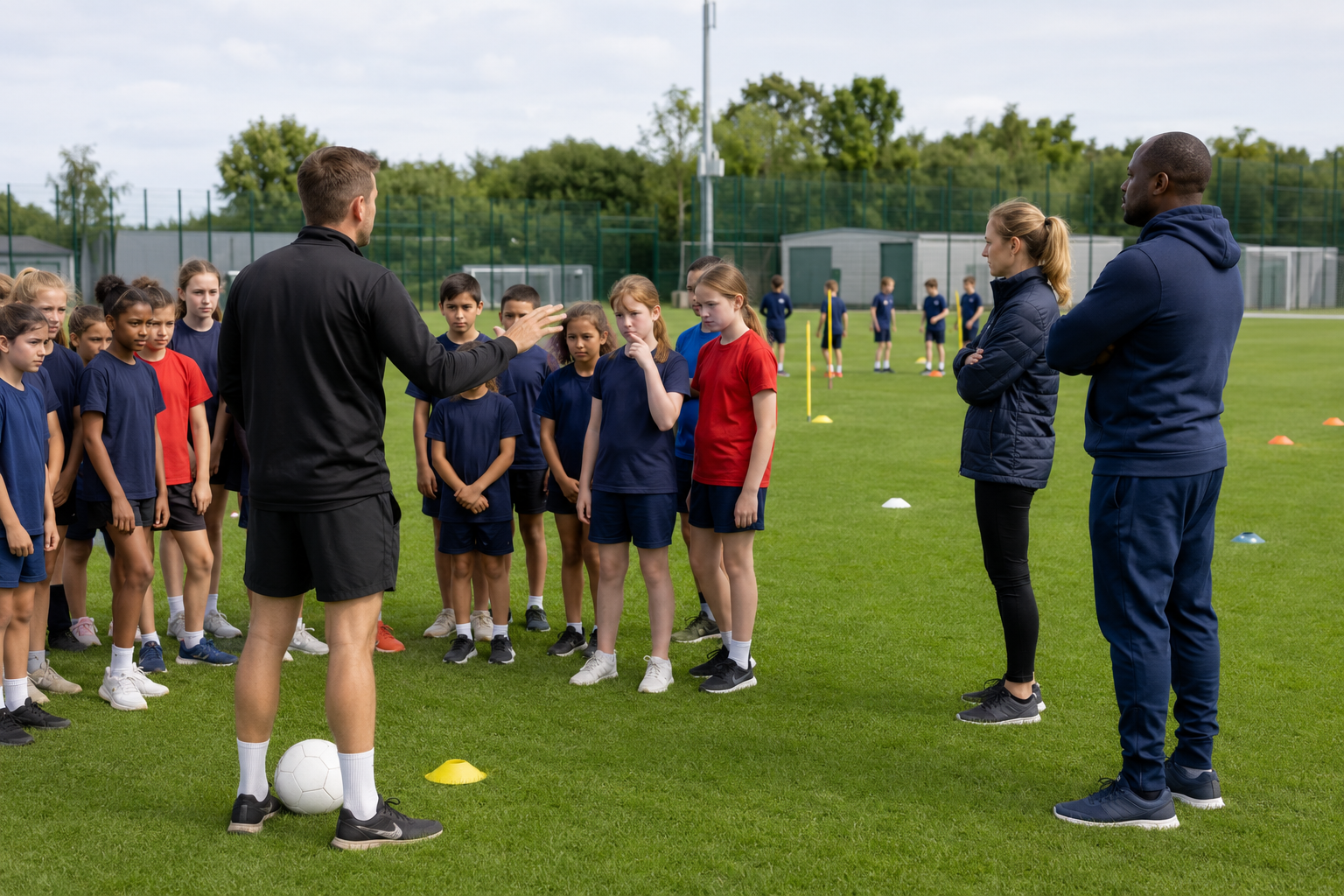
Do not confirm travel until the sporting programme is credible. For fixtures, provide the host with pupils’ ages, team level, usual competition standard and preferred format. “Under-15 football” is not enough when physical development and experience can vary widely.
Confirm the surface, changing arrangements, equipment, first-aid provision, session duration and severe-weather plan. Build in time for changing, warm-up, food and recovery rather than treating a fixture as one timetable entry.
Avoid filling every hour. Overloaded days weaken performance and enjoyment.
A well-planned junior sports tour may combine one or two competitive fixtures with a professional coaching session, depending on the age and objectives of the group. The programme should challenge pupils without making every day feel like a tournament.
Step 5: Plan Safeguarding and School Sports Tour Supervision
Safeguarding should be designed around the actual itinerary. Sport Ireland’s guidance gives general reference points of one adult to eight children under 12 and one to ten for those over 12, while also stating that away trips require higher supervision and that the appropriate level depends on the activity, age and additional needs. These figures are guidance, not a substitute for the school’s own risk assessment and policies.
Map supervision across the coach, ferry, hotel, changing rooms, training ground, meals and controlled free time. Mixed groups need suitable adult representation, while rooming must protect privacy and avoid placing a pupil with an adult.
Include a behaviour agreement, lost-pupil procedure, medication process, night-time contact system and clear rules for photography and phones.
Staff should also know who has authority to change the itinerary if a fixture is cancelled, a pupil becomes unwell or severe weather affects travel.
Step 6: What Travel Documents Do Pupils Need for the UK?
Irish citizens do not need a UK Electronic Travel Authorisation. The Common Travel Area supports movement between Ireland and the UK, but Irish travellers should carry acceptable proof of citizenship, normally a valid passport or passport card, and schools should also confirm the carrier’s identification rules.
Mixed-nationality groups require individual checks. ETA exemptions for some legal residents of Ireland depend on nationality, route and proof of residence, while visa nationals may still need a visa.
Set an early document-check date, before final balances become due. The school should record the document type and expiry date without leaving the process until departure week.
For destinations outside the UK, entry requirements should be checked separately for every traveller, including accompanying adults.
Step 7: Confirm Insurance, Medical Details and Consent
The school should obtain written parental approval for every pupil and ensure adequate insurance is in place. For Comprehensive and Community schools travelling outside the island of Ireland, the Department specifically states that the board should not rely on State Indemnity and should arrange appropriate travel insurance.
Collect emergency contacts, allergies, medication instructions and permission for treatment. For the EU, EEA or Switzerland, eligible travellers should carry an EHIC, but it does not replace travel insurance.
The policy should be checked for organised sport, not just ordinary sightseeing, particularly where matches, coaching or specialist activities are included. Schools should review the different types of insurance for an overseas school tour before deposits are collected or sporting activities are confirmed.
Parents should receive a clear explanation of what the policy covers, who to contact during the tour and how the school will handle illness, injury or an early return home.
Step 8: Turn the Junior Sports Tour into One Working Itinerary

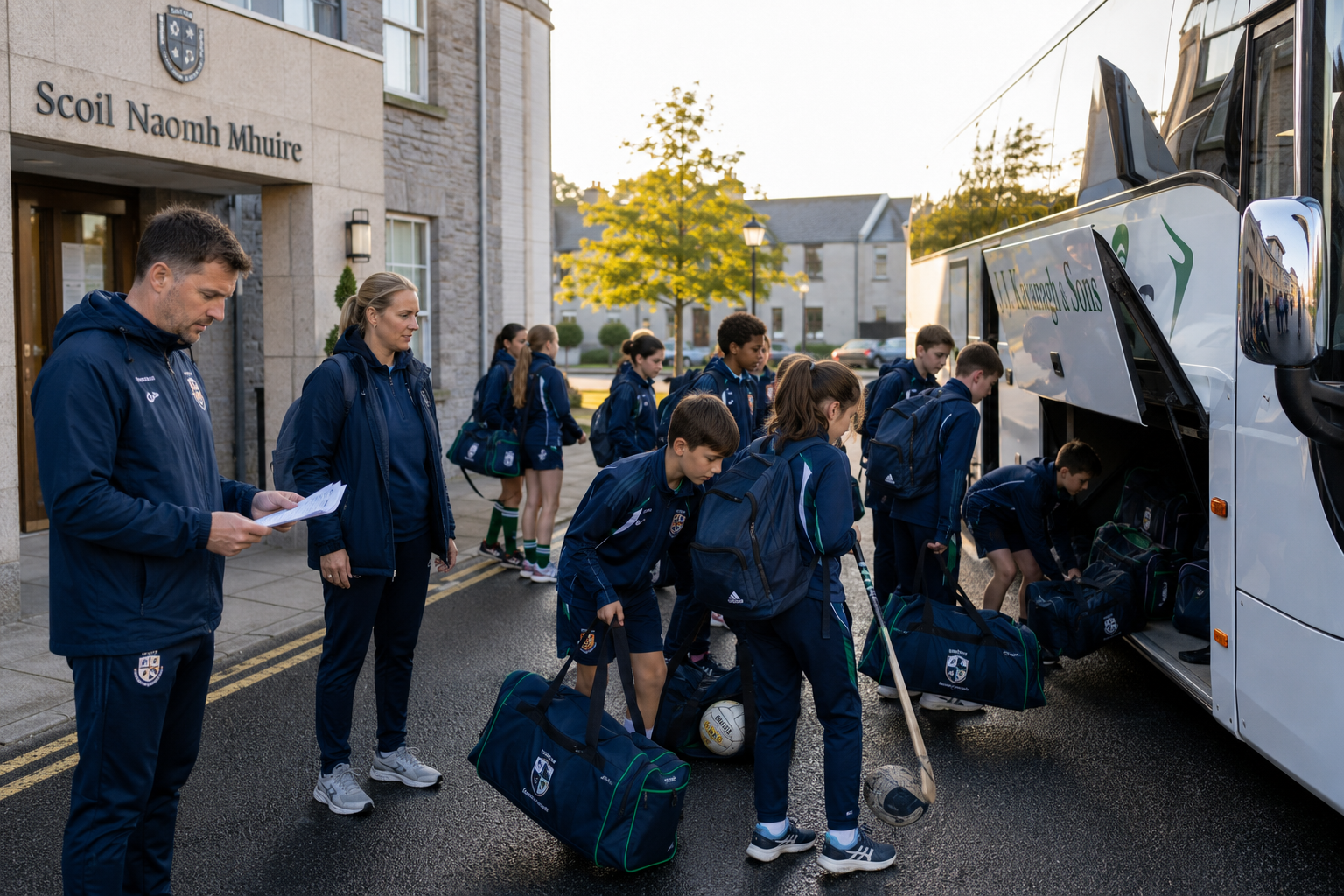
The final itinerary should add meal windows, headcounts, room checks, kit loading, changing time, fixture contacts, emergency addresses and realistic port or airport buffers.
Give staff a master version and parents a simpler one. Pupils should know meeting points, behaviour expectations, luggage limits and accessible kit.
This is where organised support often earns its value. Before appointing a provider, schools should consider the essential questions to ask before choosing a school tour company, including how fixture changes, safeguarding requirements, payments and travel disruption will be handled. Celtic Horizon Tours can coordinate the coach or flight, ferry where required, accommodation and sports programme within one practical schedule, leaving school staff to focus on pupils rather than chasing several suppliers.
A single point of contact also becomes valuable when a ferry time changes, a host team adjusts a fixture or rooming numbers move shortly before departure.
Plan the Tour Around the Pupils, Not the Brochure
A strong junior sports tour requires careful sequencing: define the purpose, secure approval, price the complete trip, match the programme, protect pupils and verify every traveller’s documents.
Schools can organise these elements independently, but the workload rises when one change affects a ferry, coach, hotel and fixture. Speak to Celtic Horizon Tours when you want the complex parts joined into one workable plan, with fewer gaps for teachers to manage.