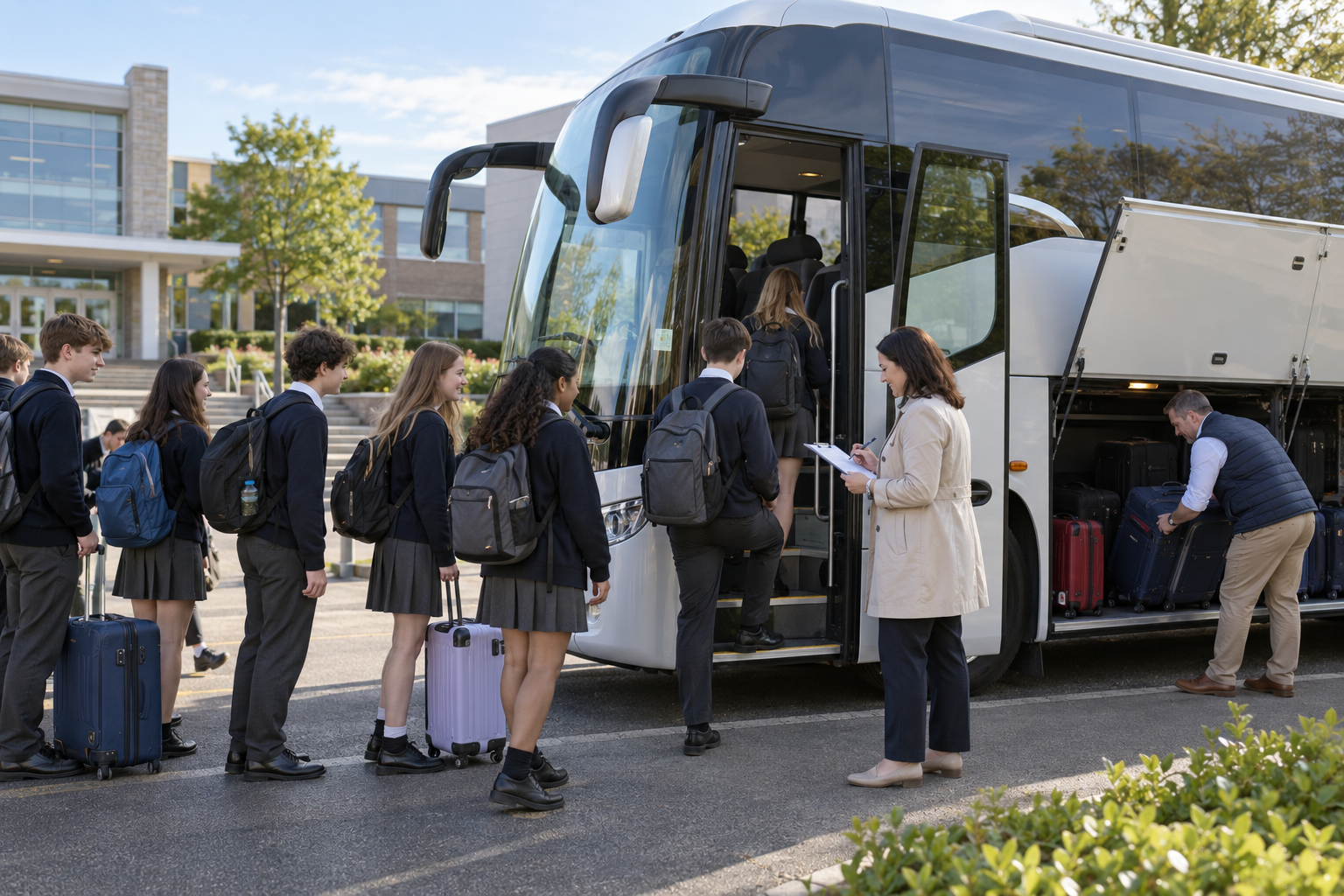
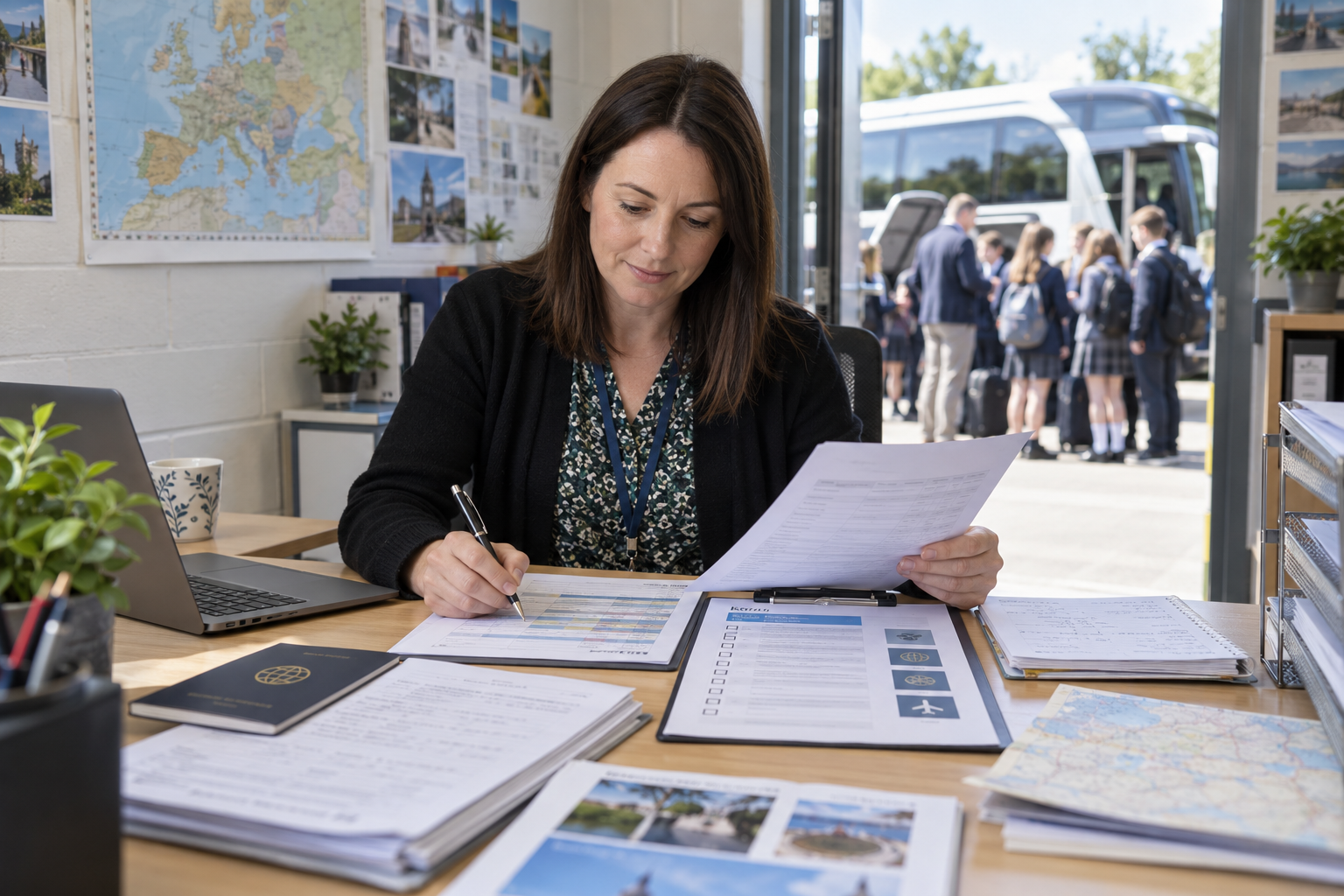
7 School Trip Planning Mistakes First-Time Organisers Make
Key Takeaways
- Headline prices mean little until baggage, transfers, meals, deposits and local transport are included.
- Passport problems often appear after non-refundable bookings have already been confirmed.
- Parental consent does not replace medical planning, appropriate insurance or clear supervision arrangements.
- Overloaded itineraries create lateness and fatigue without necessarily improving educational value.
- An organised tour can reduce administration by coordinating transport, accommodation and scheduling through one provider.
A school trip can appear straightforward when viewed as a series of separate tasks. Choose a destination, reserve transport, find accommodation and collect payment from parents.
The difficulty is making every component work for an entire group. One late consent form can delay passenger information. Several withdrawals can change the cost per student. A tightly timed attraction booking may be lost because the group takes longer than expected to clear security, disembark or regroup.
Irish Department of Education guidance says educational tours should provide clear educational, cultural, intellectual or social value. It also recommends planning tours well in advance, preferably before the school year begins, and communicating the full cost to parents during the planning stage.
Avoiding the following seven school trip planning mistakes will make the process safer, clearer and easier to manage.
Mistake 1: Beginning School Trip Planning Without a Clear Purpose
A destination is not an educational purpose. Before requesting prices, define what students should gain from the trip and why the experience cannot be reproduced adequately in school.
This decision influences which students participate, how the proposal is presented to the Board of Management and which activities deserve priority. A history group may gain more from one carefully chosen museum and a relevant guided visit than from several unrelated attractions. Schools weighing different educational and financial priorities can read our blog comparing London and Paris for a school trip
Establish the educational purpose, proposed dates, likely group size and acceptable cost range first. Suppliers can then respond to a coherent brief rather than an uncertain collection of ideas.
Mistake 2: Underestimating the School Trip Cost per Student
The advertised flight, ferry or hotel price is rarely the complete school trip cost per student. Organisers must also consider baggage, transfers, coach parking, driver accommodation, meals, attraction charges, insurance and possible currency movements.
Cancellation terms also matter. If a price assumes 40 paying students and several withdraw, the contribution required from the remaining families may increase.
Prepare a written breakdown showing what is included, what is optional and when payments become non-refundable. The Department of Education recommends communicating the full cost early so families have time to prepare financially.
If comparing every component becomes difficult, Celtic Horizon Tours can provide a coordinated proposal covering the main travel arrangements.
Mistake 3: Checking School Group Passport Requirements Too Late
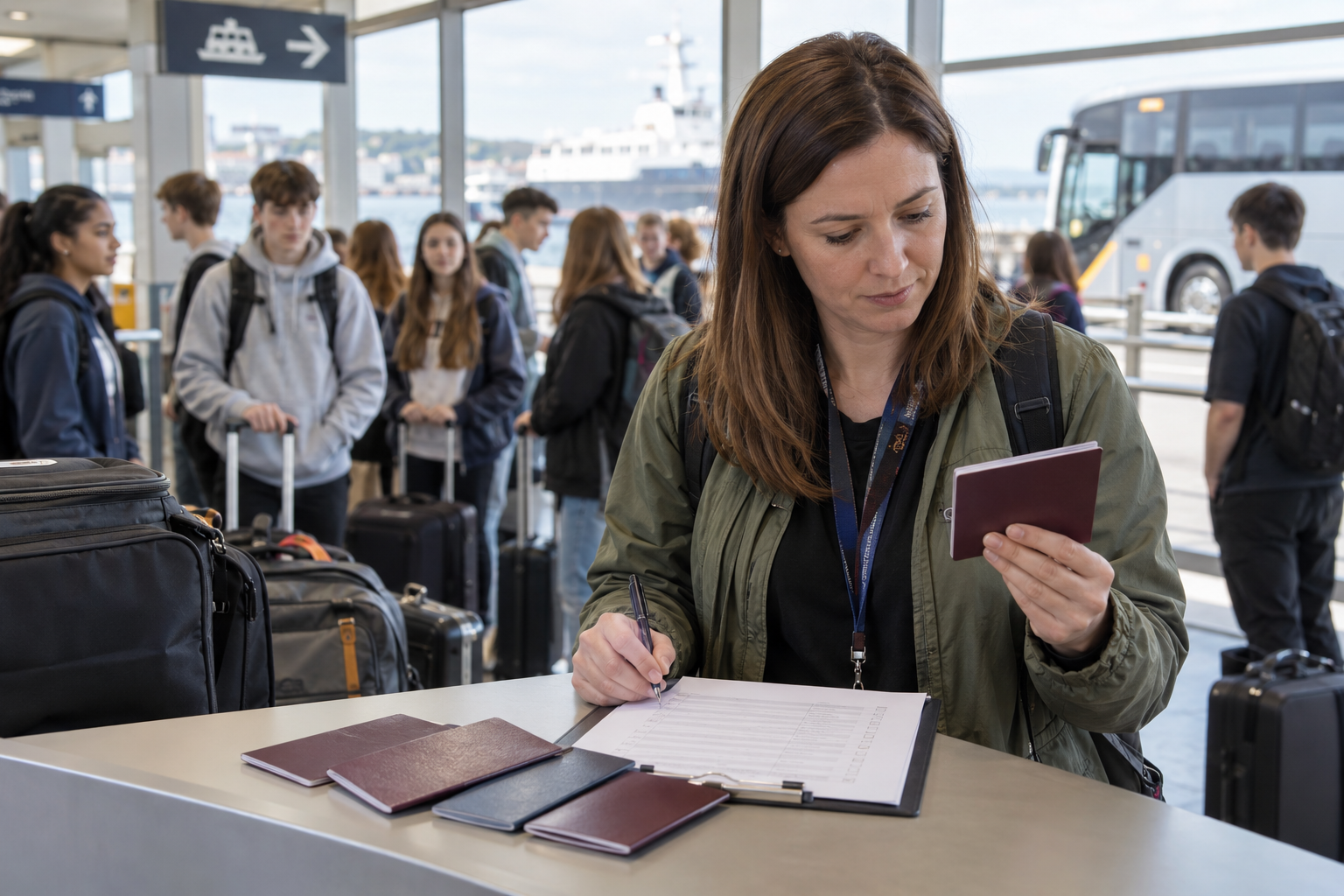
Passports should be checked before substantial non-refundable commitments are made, not shortly before departure.
Do not assume every student has Irish citizenship or identical entry rights. Record each traveller’s nationality, passport expiry date and any visa or additional documentation requirement. Children travelling in Europe may need parental authorisation documents, while non-EU nationals can face different passport and visa conditions.
Adults require the same attention. A replacement teacher joining the trip may have different entry requirements from the original accompanying adult.
Check official government guidance for every nationality represented in the group. Requirements can change, so verify them again before departure. Schools considering north-west England can also read our blog about school trips to Liverpool and Manchester, while continuing to verify the requirements for every individual pupil.
Mistake 4: Treating School Trip Consent Forms as the Complete Safety Plan
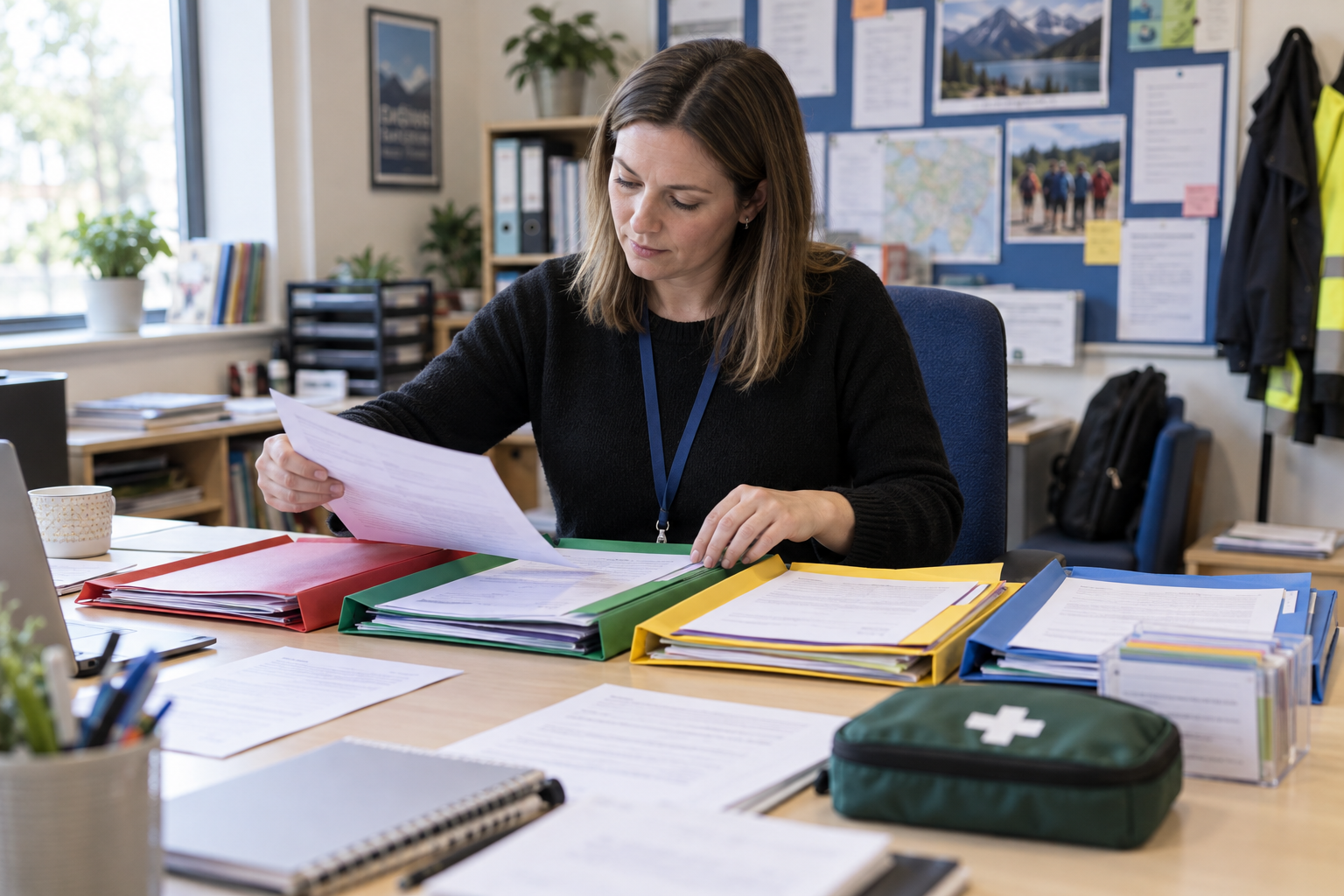
Written parental approval is essential, but a signed form does not provide everything required to manage a student away from school.
The planning process should capture emergency contacts, medical conditions, allergies, dietary requirements, accessibility needs and medication instructions. Staff must know where this information is stored, who can access it and what procedure applies during an incident.
Irish guidance requires written parental approval and adequate insurance. For overseas tours involving comprehensive and community schools, it also warns that Boards of Management should not rely on State Indemnity as travel insurance.
Set firm deadlines for returning forms and follow up directly. Silence should never be interpreted as consent.
Mistake 5: Using a Generic School Trip Risk Assessment
Copying an old risk assessment and changing the destination creates paperwork, not meaningful protection.
A useful school trip risk assessment follows the actual journey. Consider collection at the school, rest stops, airports or ferry terminals, border control, hotel access, road crossings, free time, evening supervision and the procedure if a student becomes separated.
Specialist activities require additional scrutiny. Department guidance notes that activities of a specialist nature may require trained professional supervision and appropriate insurance.
The assessment must also reflect the group. Medical needs, mobility requirements, behaviour and previous travel experience can all affect the level of supervision required.
Mistake 6: Overloading the School Trip Itinerary
First-time organisers often measure value by the number of activities included. In reality, school groups move more slowly than individuals.
Students need time to leave vehicles, use facilities, pass security, collect belongings and receive instructions. Traffic, weather and delayed departures add further pressure. Without adequate buffers, one minor disruption can affect the entire day.
Build each day around one main educational experience, supported by nearby activities where practical. Confirm opening hours, group admission procedures, coach access, walking distances and meal arrangements directly with each venue.
A shorter itinerary may appear less ambitious, but students gain more time at the places that justify the trip.
Mistake 7: Managing School Group Travel Bookings Separately
Booking transport, accommodation and attractions independently can appear cheaper until conditions, timings and responsibilities are compared.
Group reservations may operate differently from ordinary bookings. Aer Lingus, for example, defines a group booking as seven or more adults and does not require every passenger name when the initial reservation is made. Ferry operators can also apply group-specific passenger information and check-in procedures.
Maintain one master record containing booking references, payment deadlines, passenger details, rooming arrangements and emergency contacts. Every amendment must be reflected across the affected suppliers.
Schools that prefer a single coordinated plan can ask Celtic Horizon Tours to manage the connections between coach or flight travel, ferry crossings, accommodation and the agreed programme.
How to Organise a School Trip Reliably
Begin with the educational purpose and provisional school approval. Confirm likely numbers, budget limits and suitable dates before requesting detailed proposals.
Once the preferred arrangement has been selected, create one timeline covering deposits, consent forms, passport checks, medical information, rooming lists and final passenger details. Families can then use the school’s instructions alongside our blog containing a practical student packing checklist for a school tour abroad. Assign every task to a named person.
A second staff member should review the itinerary, documentation and emergency arrangements. Fresh scrutiny often identifies assumptions the original organiser can no longer see.
Get Your School Trip Right the First Time
The best school trips are not necessarily the busiest. They are the ones where costs are understood, documents are checked early, responsibilities are clear and the itinerary remains workable when small delays occur.
If your school wants to reduce the administrative pressure, Celtic Horizon Tours can coordinate the complex parts of the journey around your dates, group size and educational priorities.